Die steppenden Flamingos
Warum Flamingos längst nicht an jedem afrikanischen See zu finden sind und wie sie im flachen Wasser einen regelrechten „Stepptanz“ aufs Parkett legen, erfährst du in diesem Bericht. Begleite uns an die Momella-Seen und den Lake Manyara und erlebe hautnah, wie sensibel das Ökosystem dieser eleganten Vögel auf Veränderungen reagiert.
Die steppenden Flamingos
Wir haben zwar sehr viele Flamingos auf unserer Safari gesehen, aber zu unserem Erstaunen längst nicht an jedem See. Oder wenigstens an dem meisten. Dort, wo wir Flamingos gesehen haben, waren sie meist in riesiger Anzahl. Aber an bzw. auf den meisten Seen waren keine zu sehen. Dabei war meine Vorstellung vor der Safari eine andere: An allen Seen hier in Afrika sollte es doch welche geben. Oder etwa nicht?
Aber dann kam Elly und hat unser Halbwissen gerade gerückt. Flamingos brauchen eine ganz bestimmte Zusammensetzung des Wassers im See. Es muss salzwasserhaltig oder alkalisch sein. In solchem Wasser können dann bestimmte Kleinsttiere leben von denen sich die Flamingos ernähren. Zum anderen halten sie sich nicht das ganze Jahr an dem gleichen See auf. Es gibt bestimmte Seen für die Brutstätte. Und ganz egal welcher See, das Nahrungsangebot muss einfach stimmen.
Bereits am ersten Tag im Arusha National Park konnten wir einige Flamingos an den Momella Seen bestaunen. OK, hier passt also das Wasser und auch das Nahrungsangebot. Also haben wir unsere Fotos geschossen, haben ein paar Videos gemacht. Und hatten gar nicht gemerkt das die Flamingos bestimmte Bewegungen im Wasser machten.


Afrikanische Musik und der Stepptanz beginnt
Dann kam Elly. Er suchte aus seiner Playlist im Auto einen ganz besonderen afrikanischen Song heraus und dann ging es los. Wir konnten unseren Augen kaum glauben. Als wenn die Flamingos die Musik gehört hätten. Sie fingen an, nach der Musik zu „steppen“. Gerade die Tiere vorne im seichten Wasser ließen es sich nicht zweimal sagen. Sie tanzten alleine, im Paar, sie tanzten im Kreis und sie tanzten Line-Dance zu der Musik.
Elly war in seinem Element und genoss es sichtlich. So machte er, wie so oft, durch sein Fernglas mit seinem Handy eine Aufnahme und dann auch mit meinem Handy. Die Flamingos mit der Musik in einem Video – einfach der „burner“. Klar, die Musik ist den Flamingos egal, denn dieses Verhalten machen sie natürlich aus einem ganz anderen Grund: Durch das Wassertreten versuchen sie Kleinsttiere an die Oberfläche zu bekommen um diese dann fressen zu können. Aber der Gag mit der Musik als Erklärung ist wesentlich schöner.


Lake Manyara ohne Flamingos
Vor Antritt der Safari hatte ich alle größeren Seen auf unserer Route markiert, an denen Flamingos zu erwarten sein könnten. So eben auch am Lake Manyara. Einer der nächsten Tage führte uns in den Lake Manyara NP. Nach einiger Zeit durch den Park kam dann der erste Blick auf den See: Leere! Nicht ein einziger Flamingo. Und das nicht, weil sie gerade mal woanders waren, nein „hier gibt es keine Flamingos mehr“ meinte Elly.
Seit 2019 hat es hier sehr viel geregnet und der gesamte See wurde stark mit Süßwasser verdünnt. Dieses neue Wasser-Milieu hat innerhalb eines Jahres das gesamte Ökosystem verändert und damit auch den Lebensraum der Flamingos. In diesem Fall nicht nur verändert, sondern sogar zerstört. Das Wasser ist seitdem nicht mehr alkalisch genug. Die Flamingos sind somit von hier abgewandert und leben nun woanders. Zum Lake Manyara dann später noch mehr, denn es hat eigentlich die gesamte dortige Tierwelt getroffen und vieles hat sich seitdem für alle geändert.
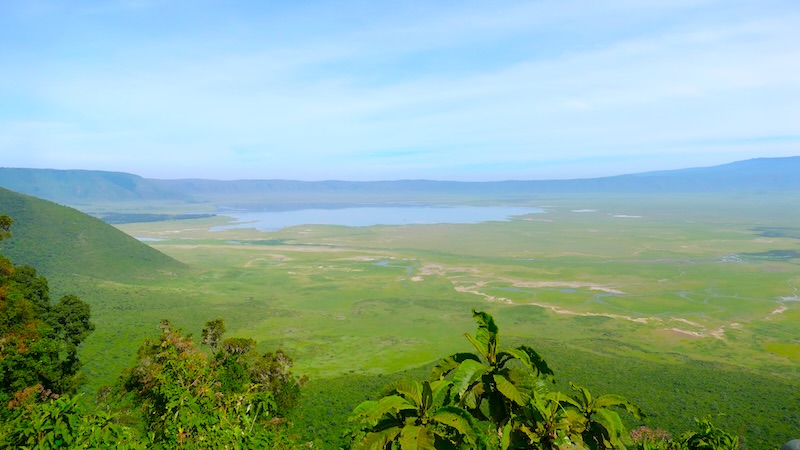
Während der weiteren Safari kamen wir aber noch an Seen vorbei, wo es Flamingos gibt. Am Lake Magadi im Ngorongoro Krater und dem Ndutu Lake südlich der Serengeti.
Aber die größte Population gibt es wohl ganz im Norden am Natron Lake. Der Natron-Lake lag für diese Safari aber viel zu weit im Norden, so dass wir ihn nicht eingeplant hatten. Aber wir wollen wieder kommen und dann auch in den Norden reisen.