Die große Wanderung („Great Migration“)
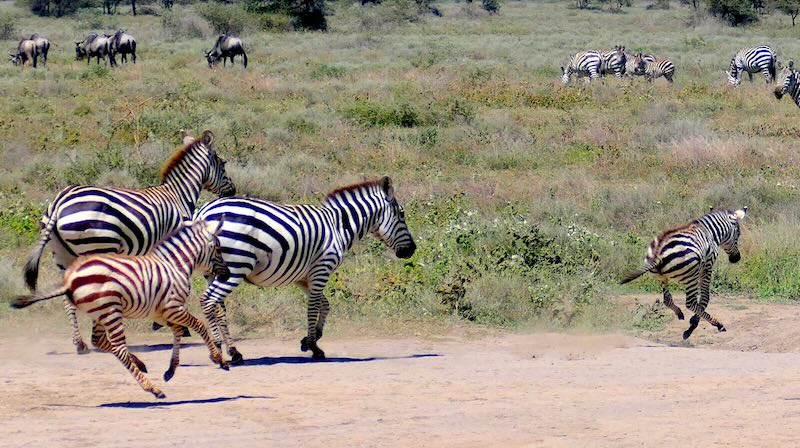
Auch wenn wir zwei Wochen zu spät für die allergrößten Herden waren, versetzten uns die galoppierenden Masse an Zebras und Gnus in der Ndutu-Region in staunendes Entsetzen. Begleite uns an der Seite unseres Guides Elly zum spektakulären Abstieg an die Flussläufe der Serengeti und erfahre, warum eine verhängnisvolle Erfrischung im kühlen Nass für Jungtiere über Leben und Tod entscheiden kann.
Die große Wanderung („Great Migration“)
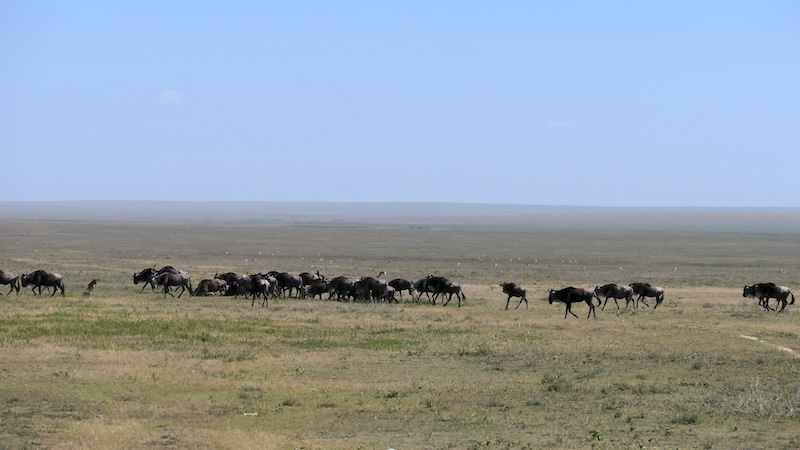
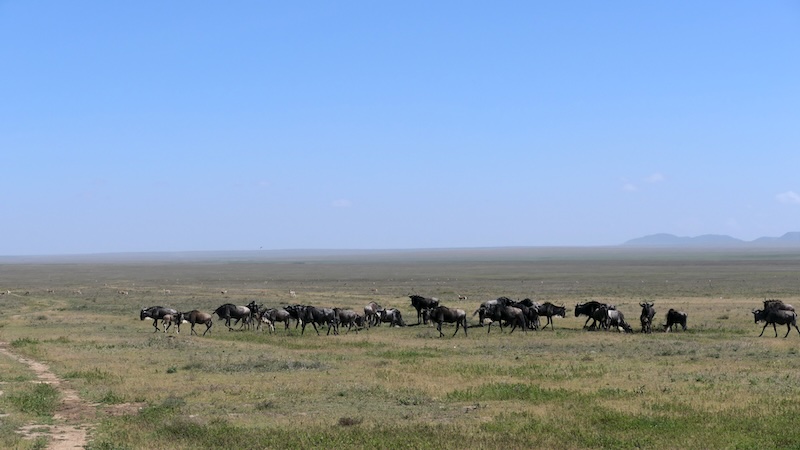
Jedes Jahr aufs Neue findet die große Wanderung der vielen Herden von Zebras, Gnus und Gazellen hier in Tansania statt. Für die großen Herden waren wir dieses Jahr leider zu spät. Im Olaado-Camp sagten sie uns „Die Herden sind schon vor zwei Wochen hier vorbei gezogen“. Das Olaado-Camp ist ein mobiles Camp und hat über das Jahr zwei Standorte. Zuerst im Ndutu-Gebiet am Rande südlichen Serengeti und dann weiter nördlich. Um der großen Tier-Wanderung beiwohnen zu können. Auch wenn wir nicht mehr die gigantischen Herden sehen konnten, riesengroß waren die vielen Herden hier allemal. Dieses Jahr also zwei Wochen zu spät für die „great migration“, so meinte Elly.
Während er es uns auf Englisch sagte, funkelten seine Augen. Wir konnten ihm ansehen, wie fasziniert er immer wieder von dem Naturschauspiel ist. So hatte Elly auch für diese große Migration ein Fachbuch mit einem Karten-Ausschnitt parat. Ganz genau zeigte er uns auf der Karte den Verlauf der großen Wanderung. Wo die Tiere längs wandern, wo sie die Flüsse überqueren, wo Herden im Verlauf zusammen kommen. Die Faszination und Begeisterung ging auf uns über und Afrika hat uns fest im Griff.
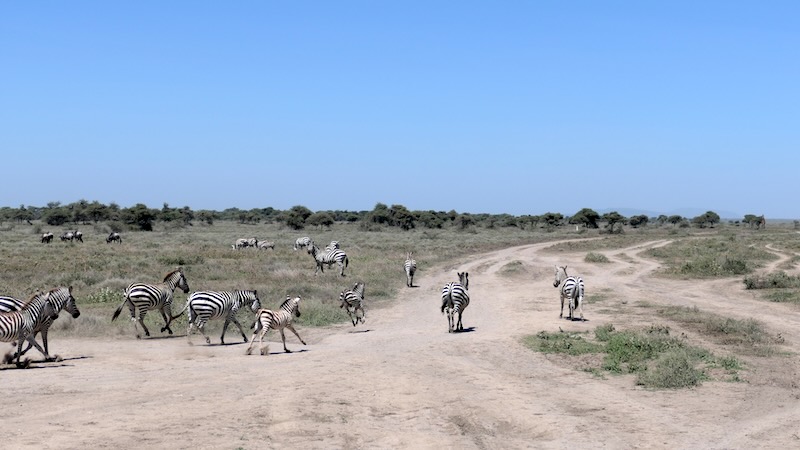
Wandern mit den Zebras
Auf die große Wanderung gehen die Zebras, Gnus und Gazellen gemeinsam. Und ohne Zebras geht gar nichts. Für Elly ist klar „Die Zebras sind die besseren Wanderer. Sie haben eine innere Uhr für die richtigen Wege und finden so immer das kühle Nass. Und die anderen Tiere folgen.“
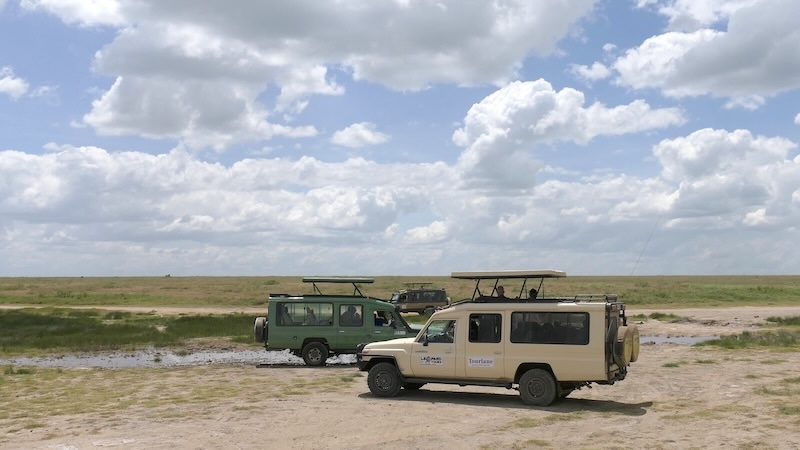
„So ticken auch Pferde. Pferde finden immer wieder nach Hause“ erwiderte ich spontan und Elly war begeistert. Wir drei hatten so eine wunderschöne Zeit im LandCruiser mit tollen Gesprächen und immer wieder mit einem hohen Wissensaustausch.
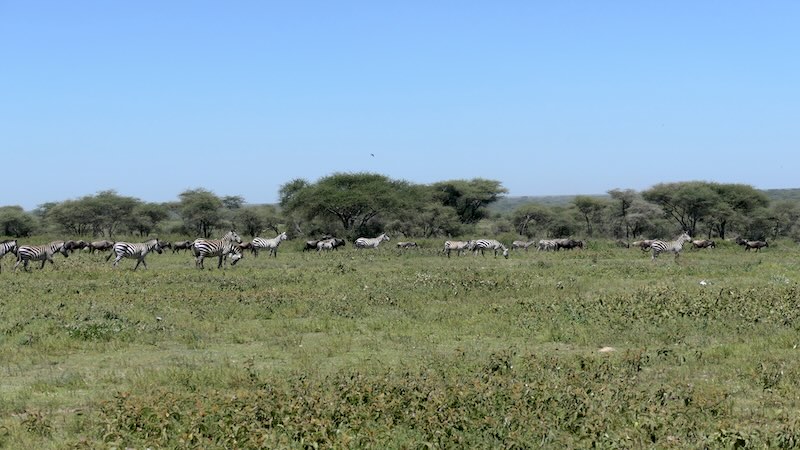
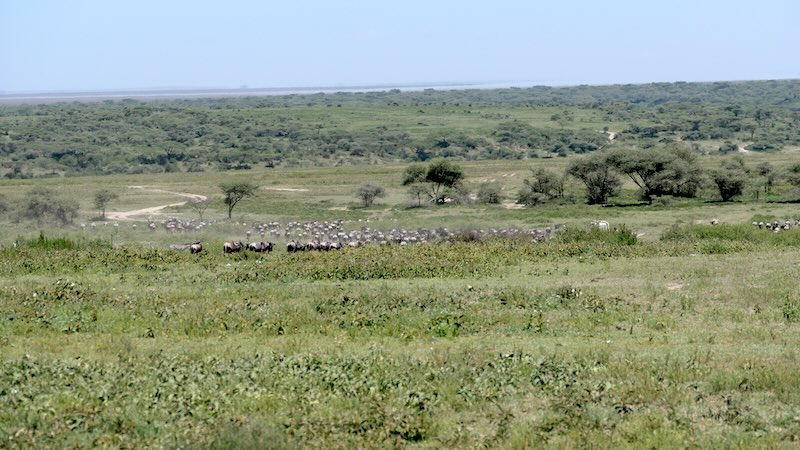
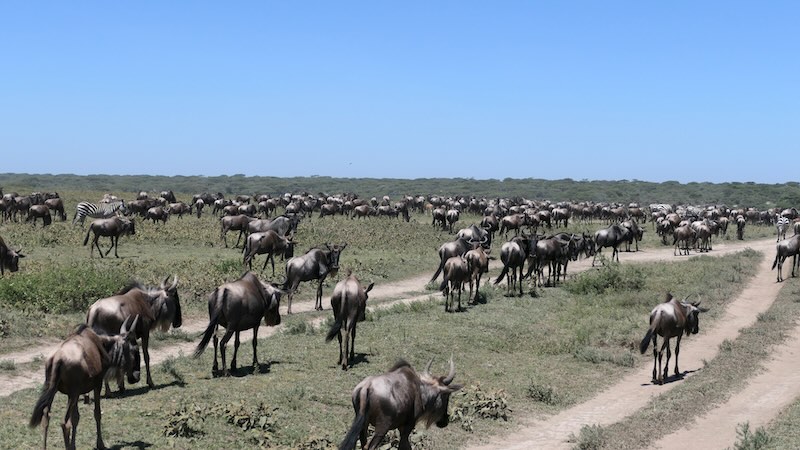
Die Gnu und Zebra-Wanderungen
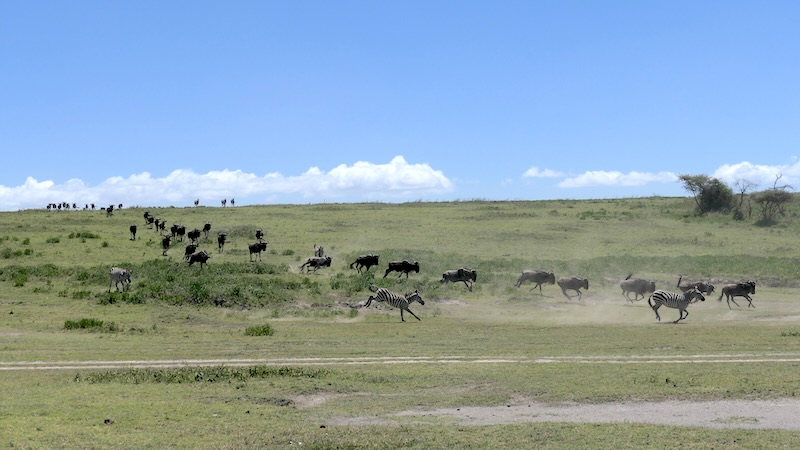
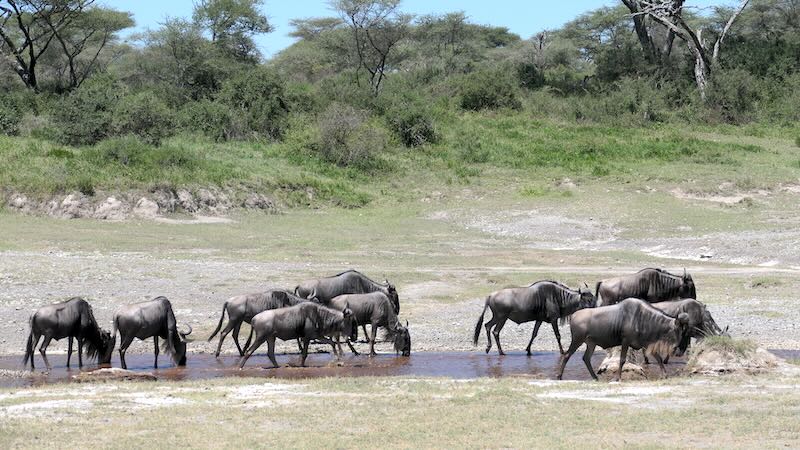
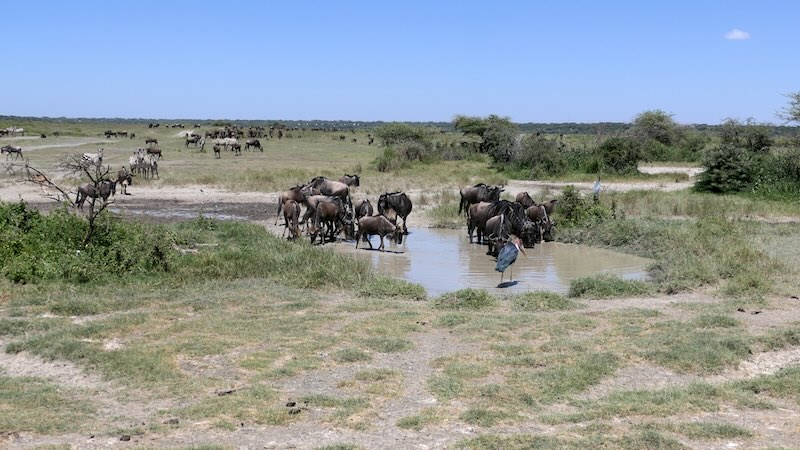
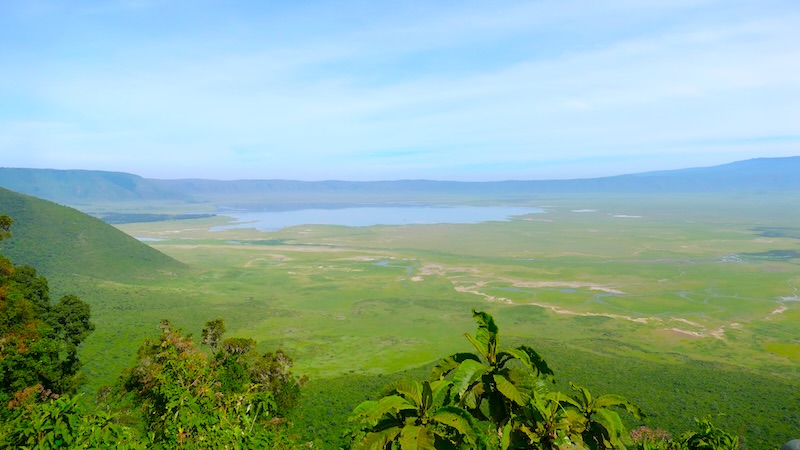
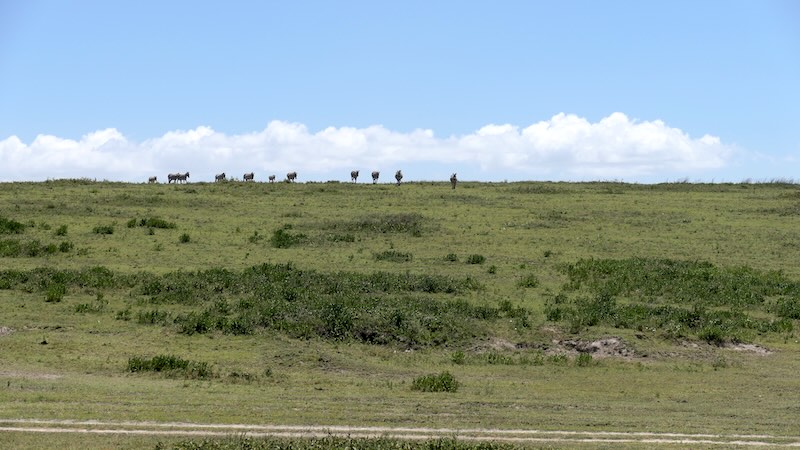
Auch wenn wir zu spät waren für das gigantische Naturschauspiel, so waren unsere Tage nach dem Ngorongoro Krater auf dem Weg in die Serengeti trotzdem geprägt von großen Gnu– und Zebra- Herden. Besonders imposant waren die Szenen im Ndutu-Gebiet und an dem Flusslauf am Ndutu-Lake. Große Zebra- und Gnu-Herden wanderten an den Fluss, sie rasten runter zum Fluss.
Je näher sie an den Fluss kamen oder je mehr sie das Wasser wohl als Witterung aufnahmen umso schneller wurden die Herden. Kurz vor dem Fluss schossen dann tausende Tiere den Abhang hinunter zum Fluss. Es war ein Schauspiel der besonderen Art. Zuerst kamen wenige hundert von rechts und dann wurden es immer mehr und mehr. Sie kamen dann auch von links den Abhang herunter geschossen. Von links, von rechts und dann in einer großen Staubwolke den Abhang herunter.
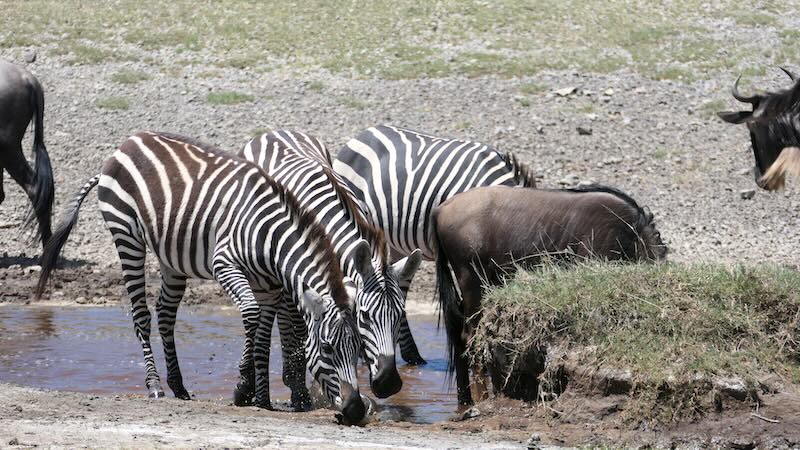
Unten angekommen wollte jeder der erste an dem lebenswichtigen Nass sein. Zebras, die tranken und mit lautem Gewieher später langsam weiter trotteten. Sie alle waren am Ziel, jedenfalls für heute. Sie werden nach dem ersten Durstlöschen in die Ndutu Ebene weiterziehen und in der südlichen Serengeti grasen. Aber dann morgen werden sie wiederkehren an den Fluss und das Schauspiel beginnt von neuem. Erst trotten sie sehr langsam, dann formieren sie sich zu vielen, galoppierenden Herden in einer riesigen Staubwolke runter zum Wasser.

Der Geruch zählt
Wir standen nun im Ndutu Gebiet und schauten auf das Schauspiel der vielen Zebras und Gnus am Wasser. Während wir uns Videos und Fotos machten wurde Elly für einen kurzen Moment auch nachdenklich. „Wisst Ihr eigentlich, wie gefährlich das Wasser für die Jungtiere auch sein kann?“ Wir schauten uns kurz an und zuckten nur mit den Schultern. „Wieso gefährlich? Ist doch Lebens-Elixier für die Tiere“ sprudelte es aus mir heraus.
Während wir weiter unsere Videos und Fotos machten fing Elly an, uns die möglichen, risikoreichen Situationen zu schildern.
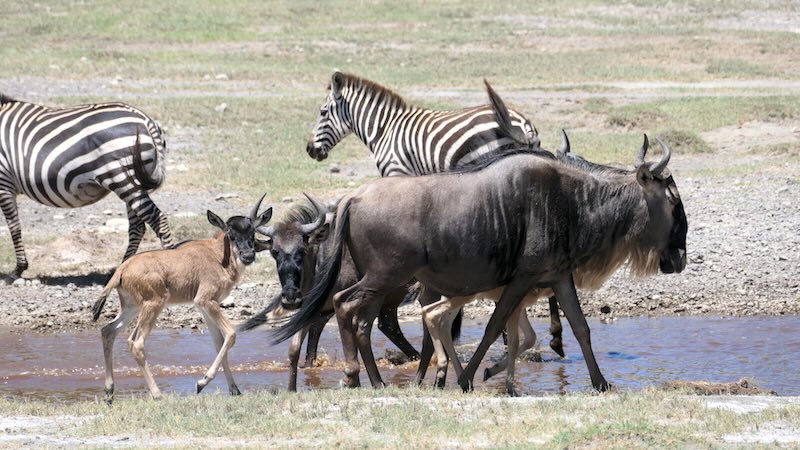
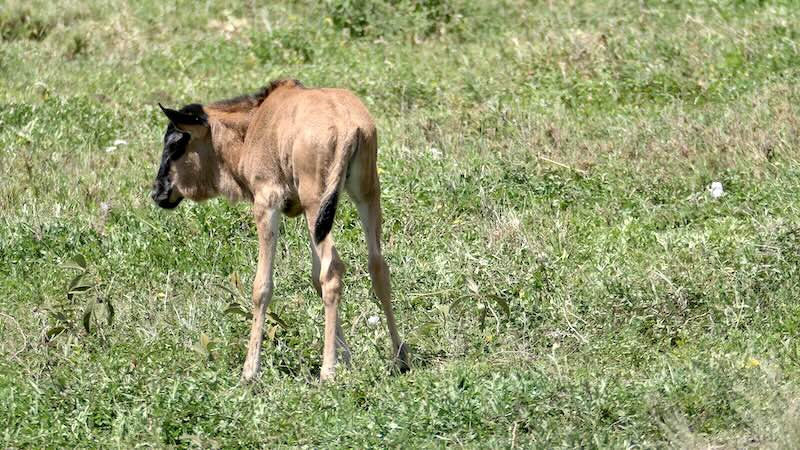
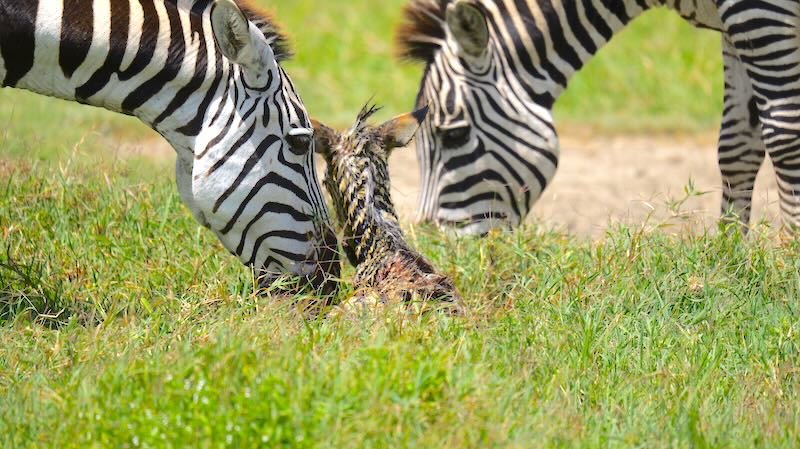
So wichtig das kühle Nass zum Überleben ist, so sehr kann es auch für die kleinen Fohlen und Kälber über Leben oder Tod entscheiden. Nach der Geburt eines jeden Fohlens und Kalbs findet die Prägephase statt. Stute und Fohlen, Kuh und Kalb, alle prägen sich den Geruch des Anderen nach der Geburt ein. Nur so können sie sich immer wieder finden und wissen, sie gehören zusammen.
Denn – der Geruch zählt!
Wenn Mutter und Kind ans Wasser gehen, dann bitte nur trinken. Geht die Mutterstute zu sehr ins kühle Nass kann es passieren das sie ihren so wichtigeren Geruch für ihren Nachwuchs verliert. So kann es passieren das der Nachwuchs seine Mutter nicht wieder findet.
Denn – der Geruch zählt!
Aber auch das Fohlen und Kalb darf nicht zu sehr ins kühle Nass gehen, denn auch wenn sie ihren Geruch verlieren, dann findet zwar das Fohlen seine Mutter wieder, aber die Stute oder Kuh nimmt das Fohlen oder Kalb nicht mehr an.
Denn – der Geruch zählt!