Die Löwen – die Nase machts
Mit vollem Tempo durch die Savanne, echtem Löwengebrüll im Zwiegespräch und geschultem Blick erleben wir unvergessliche Begegnungen mit dem König der Tiere. Begleite uns an der Seite unseres Guides Elly und erfahre, wie die Pigmentierung der Nase das Alter eines Löwen verrät, warum Nachgeburten das Leben der Raubkatzen erleichtern und welche strengen Gesetze in einem Rudel herrschen.
Die Löwen – die Nase machts
Vier der Big-Five konnte uns Elly bereits in den ersten Tagen zeigen. Den letzten, sagen wir mal, den letzten Mohikaner – es ist der Leopard, diesen konnte uns Elly dann im Ndutu Gebiet zeigen. Aber dazu später mehr.
Während unserer gesamten Safari hier in Tansania hatten wir viele, sehr viele Löwen gesehen. Ob es auch ab und an der Zufall so wollte, keine Ahnung. Aber ich glaube eher nicht.
Elly hatte einen genauen Plan, immer einen genauen Plan im Kopf.
Löwentag
„Heute gibt es Löwen zu sehen“! Ja, das war Ellys Plan für heute. So hatte er beim Fahren immer den Blick auf den Holperweg, den Blick in die Weite. Der Blick ging aufs Handy, Telefonieren am Handy. Der Blick ging durchs Fernglas, der Blick ging auf den Holperweg. Das Walki-Talki Kabel hing um seinen Hals. Ton lauter am Walki Talki und immer wieder über Walki Talki kommunizieren. Während all diesem Multi-Tasking hatte er dann auch noch Zeit uns etwas zu erklären, Fragen zu beantworten. Elly, der Allrounder!
Und dann auf einmal wurde der Funkverkehr mehr. Es gab viele Meldungen, viele Stimmen, ein Stimmen-Wirrwarr. Elly sagte was ins Walki-Talki und dann ging es schnell.
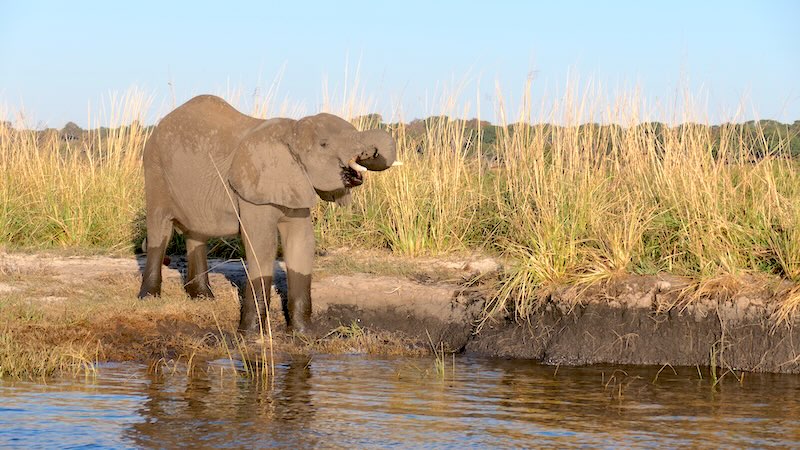
Wir waren eben gerade noch bei den Elefanten, hatten den Blick in die Weite genossen. Elly machte den Motor an und schon ging es los. Wir konnten uns gerade noch hinsetzen und einen letzten Blick auf diese Elefanten erhaschen.
Mit High-Speed durch die Savanne
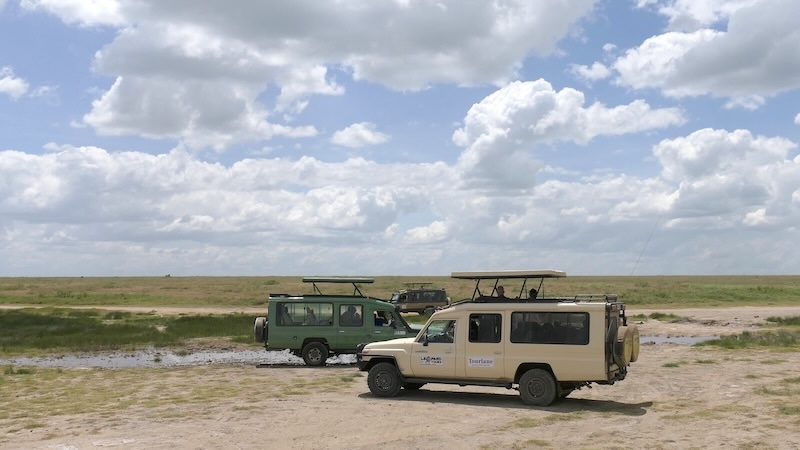
Die Wege, welchen er vorher für unsere Verhältnisse schon längst gebrettert war, heizte er jetzt im vollem Karacho zurück. Elly in seinem Element. War vorhin noch ein achtsames Durchqueren von Mulden oberste Priorität, ging es nun voll Speed hindurch. Das Auto registrierte bei diesem Tempo die Schlaglöcher gar nicht mehr. Dann endlich sahen wir von weitem andere Land-Cruiser und dann war es auch uns klar. Ok, da ist etwas. Aber was? Bestimmt kein Zebra oder Gnu oder so, sorry an diese wunderbaren Tierarten! Für solch eine Höllenfahrt konnten es nur Löwen sein. Und so war es dann auch. Aber wo genau? Unser Blick war für solche Dinge noch nicht geschärft genug. Wo, wo ist hier etwas?
In etwa 50 Meter Entfernung nun – ein Kopf, zwei Ohren, schwarze Tupfen. Mehr aber konnten wir nicht sehen. Nun galt es Ruhe zu bewahren und warten zu können. Wir fingen an von diesen Tupfen unsere Fotos zu schießen. Wer weiß, ob es das dann gewesen ist. Der bleibt da bestimmt einfach liegen und hält Siesta. Erst in den nächsten Tagen hatten wir kapiert, nein da geht noch mehr. Es braucht einfach Zeit, Geduld oder Elly.


Löwengeräusche
Und wenn so schnell nichts passiert dann hatten wir ja noch Elly. Er konnte täuschend echt den Ruf eines Löwen nachahmen, das „Umpen“. Täuschend echt! So ging es dann hin und her.
Elly und der Löwe – beide im Löwengebrüll!
Der weit entfernt liegende Löwe hob seinen Kopf, antwortete und stand auf. Elly hatte über die vielen Jahre, die er Touristen hinaus in die Wildnis geführt hatte, so viele Tier-Rufe erlernt, aber besonders beeindruckend ist und bleibt der Ruf eines Löwen.
In aller Seelenruhe trottete der Löwe nun im hohen Gras entlang. Es war unsere erste Begegnung. In diesem Fall war es ein junger Löwe, ein Männchen. Er hatte schon das Alter erreicht, in dem er nicht mehr bei der Mutter sein durfte. Wahrscheinlich ist er hier aber nicht alleine unterwegs sondern seine Brüder sind auch noch hier irgendwo im tiefen Gras.


Nahrung im Überfluss
Bis zum Ndutu-Gebiet, der südlichen Serengeti konnten wir in den nächsten Tagen viele Löwen sehen. Es waren Gruppen junger Löwen-Männchen, es waren Löwen-Familien. Oftmals eine Familie mit bis zu zehn Tieren. Sie lagen häufig im Schatten von den vielen Sträuchern und dösten in der Mittagsonne. Sie schliefen und ließen sich von ein, zwei, drei Land-Cruiser nicht stören. Mit unseren guten Objektiven der Kameras holten wir uns die Tiere ganz nah. Eher possierlich sahen sie aus und doch so gefährlich. Wohlgenährt, gut bemuskelt, wunderbares Fell und klare Augen.
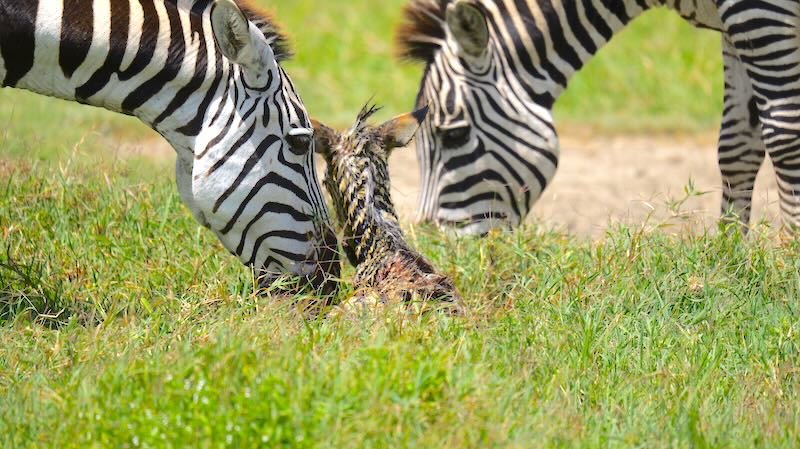
Die wohlgenährten Tiere zeugen von einem hohen Futterangebot bis hier in die südliche Serengeti. Viele Wochen gab es hier Futter im Überfluss. Gnu- und Zebra-Babys wurden geboren und für die Löwen gab es, nein nicht die Babys, sondern die vielen Nachgeburten. Die gab es ja dann im Überfluss. Löwen sind eher faul und das Jagen versuchen sie wenn möglich zu vermeiden. So kommen die vielen Geburten mit den Nachgeburten gerade recht. Nahrhaftes, wo man nur hinsieht. Da braucht es keine Tierbabys als Nahrung, die Nachgeburten reichen vollkommen aus.
Klar jagen Löwen auch und das dann als Gruppe. Aber am liebsten haben sie es faul und bequem.


Die Nase machts
So wie Elly auch bei anderen Tieren schon von weitem Geschlecht und Alter erkannte, so war es auch bei den Löwen. Bei den Löwen-Männchen verfärbt sich die Nasen-Spitze von rosa bis ganz schwarz. Es ist eine Pigmentierung und diese nimmt im Alter zu. Auch wenn der Löwe, vor uns im Gras liegend, schon eine volle Löwenmähne hat, so kann es doch noch ein junges Tier sein. „Der ist noch jung, denn seine Nasespitze ist noch zu hell!“ Und gleiches gilt hier auch für die Löwen-Weibchen.
Ganz egal, wo und welche Tiere wir gerade beobachtet hatten, Elly hat uns immer an seinem Wissen, an seinem Erfahrungsschatz teilhaben lassen.


Die Gene des Stärkeren
Am ersten Tag unserer Safari hatten wir bereits einen Kampf zwischen zwei Giraffen gesehen. Wie läuft es nun bei den Löwen ab?
Wie der Kampf abläuft, ok, egal wie, nur einer wird gewinnen. Wenn nach einem Kampf, einer Rivalität, ein außenstehender Löwe gewinnt übernimmt dieser dann das Rudel. Aber damit nicht genug. Als erstes tötet er alle Löwen-Babys seines Rivalen und zeugt dann im Rudel neue Babys. Nur so garantiert das neue Löwen–Oberhaupt den Fortbestand seiner Gene an die nächsten Generationen.
Elly hatte uns dann auch noch auf die Ohren dieser Katzen aufmerksam gemacht. Die Löwen haben an den Ohren-Hinterseiten jeweils einen großen schwarzen Fleck. Dieser ist für die kleinen Löwen-Babys wichtig. Denn so erkennen sie bereits von weitem, wo die anderen Löwen sind und in welche Richtung sie laufen.


Auf das Timing kommt es an
Wie bei allen anderen Tieren hängt es auch bei den Löwen vom Nahrungsangebot ab, ob Nachwuchs möglich ist oder nicht. Wenn das Nahrungsangebot groß ist dann werden auch die Löwenbabys gezeugt und dreieinhalb Monate später sind die Babys da. Und nun kommt das große „aber“ oder auch die Misere: Das Nahrungsangebot kann nach der Geburt noch vorhanden sein oder auch nicht. Von dem Nahrungsangebot in ihrem Revier hängt ab, ob die jungen Löwen eine Überlebenschance haben werden oder nicht.
Es hängt eben alles vom Timing ab.