Tansania – Land und Leute
Begleite uns auf unserer Reise durch Tansania an der Seite unseres Guides Elly, der uns mit seiner Leidenschaft für Land, Tiere und Menschen von der ersten Sekunde an angesteckt hat. Erfahre mehr über die faszinierenden Einflüsse der Sprache Swahili, das Schulsystem und die Herzlichkeit, die unseren Safari-Auftakt so besonders gemacht hat.
Tansania – Land und Leute
Unser Guide Elly ist ein wunderbarer junger Mann. Vom ersten Moment an fühlten wir uns bei ihm gut aufgehoben. Bei jeder Fahrt, in jeder Erzählung, ob direkt bei den Tieren oder beim Cruisen auf den Straßen erkennt man seine Leidenschaft für dieses wunderbare Land. Dieser Funke ist zu uns übergesprungen und wir haben mit jedem Tag, mit jeder Stunde das Land immer mehr lieben gelernt. Aber nun genug der Schwärmerei, der Funke wird bestimmt auch bei euch durch all unsere nächsten Erzählungen rüber springen.
Der Landesname Tansania entstand aus Tanganjika und Zanzibar. Alles ist richtig Tanganjika, Tansania, Tanzania, Sansibar oder Zanzibar. Alles ist stimmig.
In Tansania leben mehr als 60 Millionen Menschen. In Tanganjika haben fast alle den christlichen Glauben und auf Sansibar leben hauptsächlich Muslime. Elly ist Christ und der Glaube ist ein wichtiger Bestandteil in seinem Leben. Vielleicht gerade deshalb haben wir uns gleich hier so wohl gefühlt, sind doch auch wir christlich erzogen worden.
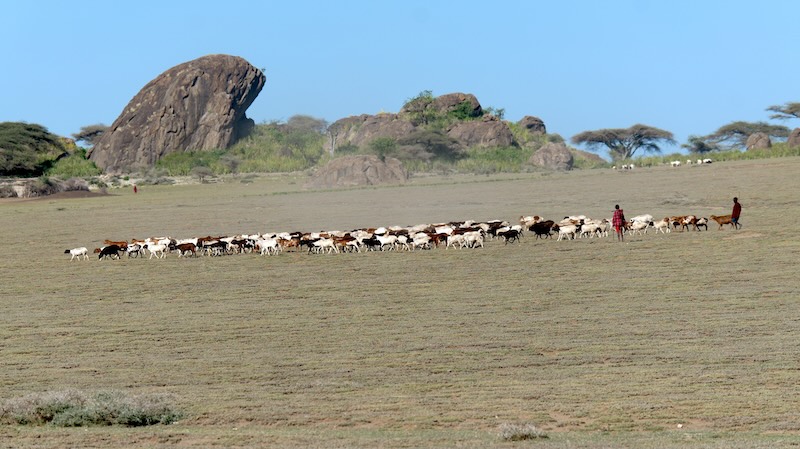
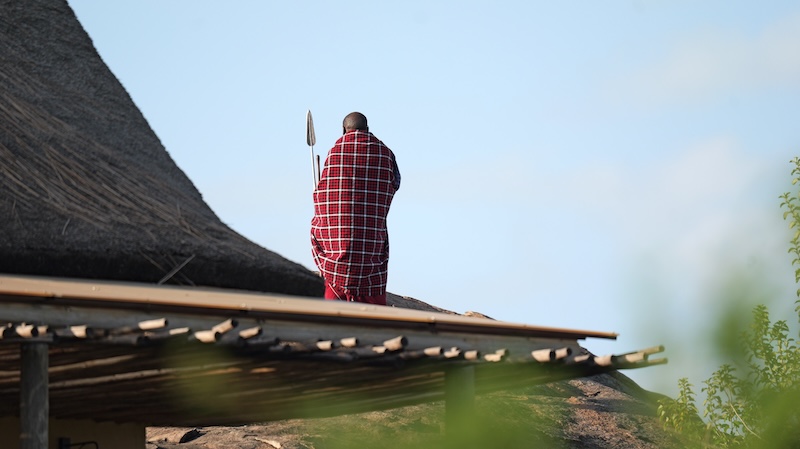
Schule heißt auf Swahili „Shule“
In Tanganjika ist die Schulbildung der Kinder für alle Eltern mehr als wichtig. Es gibt genauso wie bei uns auch die Schulpflicht, aber auch über die normale Schulpflicht hinaus versuchen alle Eltern ihren Kindern mehr Schulbildung zu ermöglichen. Die normale Schulpflicht wird nur dann ausgesetzt, wenn es Entfernungen zu den Schulen einfach nicht ermöglichen. Neben den normalen öffentlichen Schulen gibt es auch viele Privatschulen. Elly hatte wohl eine dieser privaten Schulen, wie die International School Moshi, in Arusha besucht. Nur so konnte er die vielen Sprachen lernen, welche er heute fließend spricht. So spricht er 5 Sprachen, neben Swahili und Englisch auch Italienisch, Französisch und Deutsch. „Schule heißt auf Swahili Shule“. So wird klar, auch die Deutsche Sprache hat Swahili mit geprägt.
Top-Safari mit Top-Guide
Darüber hinaus hat er sich in seiner 20 jährigen Safari Erfahrung ein sehr hohes Wissen über die Tiere, die Natur und die Menschen aneignen können. Und an all diesem hat er uns teilhaben lassen. Danke dafür!
Wir drei, Elly, Bernd und ich haben uns in diesen 10 Tagen so wunderbar ergänzt. So konnten auch wir unser Wissen mit Elly teilen. Es waren Tage mit besonderen Gesprächen, viel Erlerntes und noch mehr bleibenden Eindrücken von Tier und Natur.
So wie wir haben viele andere in dieser Nebensaison eine Tour gebucht, welche in ihrer Streckenführung stellenweise identisch waren. So haben wir uns gerade in den ersten Tagen abends in der nächsten Lodge, im nächsten Camp wieder gesehen oder sogar unterwegs, besonders an den Hotspots der Löwen.
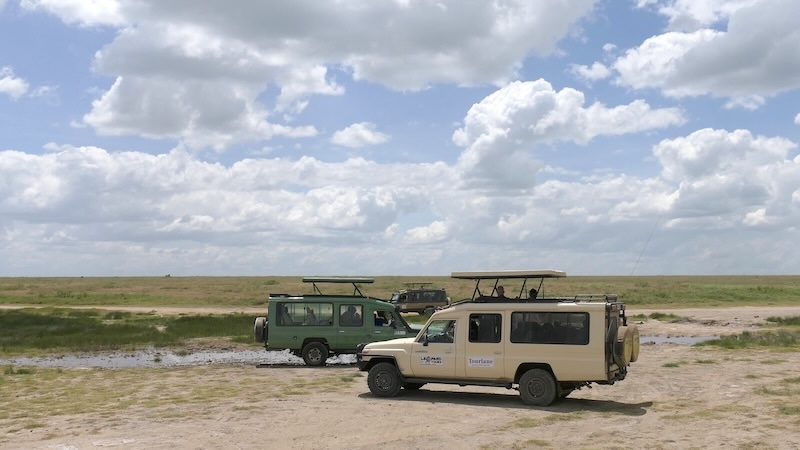
Diese geführte Safari hat es uns ermöglicht so sehr viel mehr zu erfahren als wenn wir auf eigene Faust unterwegs gewesen wären. An all diesem möchten wir euch in allen Berichten über Tansania teilhaben lassen.
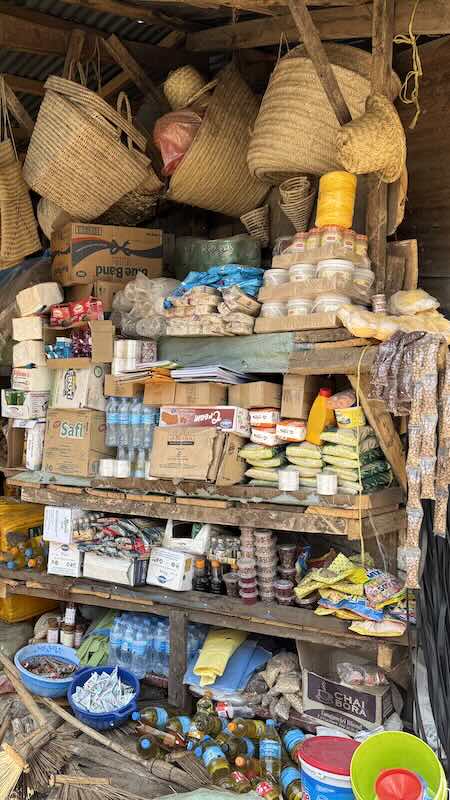
Tansania – Safari und Swahili gehören zusammen
Besonders wichtig war Elly auch uns in die Landesprache Kiswahili (auch Swahili oder Suaheli) einzuführen. Bei der Erklärung der Entstehung des Landesnamens Tansania hat er erwähnt, das viele Worte hier in der Sprache Swahili auf den zwei Vokalen „ia“ enden. Danach richtet sich auch die Betonung der Worte. Swahili – eine so interessante Sprache.
Und erst jetzt ist mir klar: Safari heißt Reise auf Swahili und auf dieser Reise waren wir.
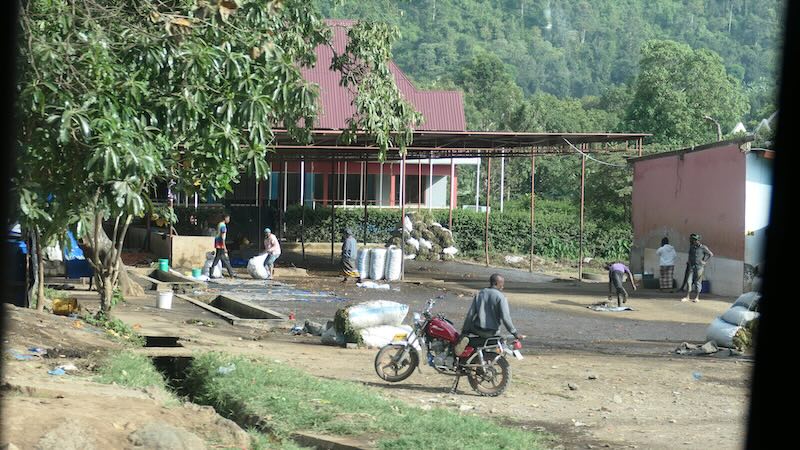
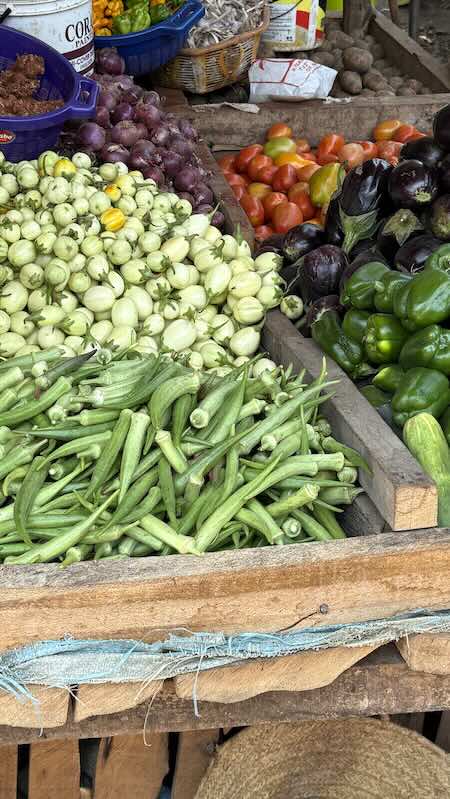
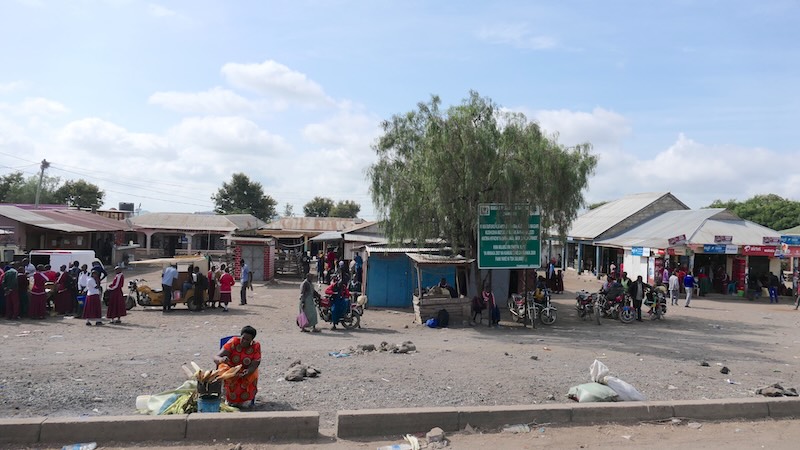
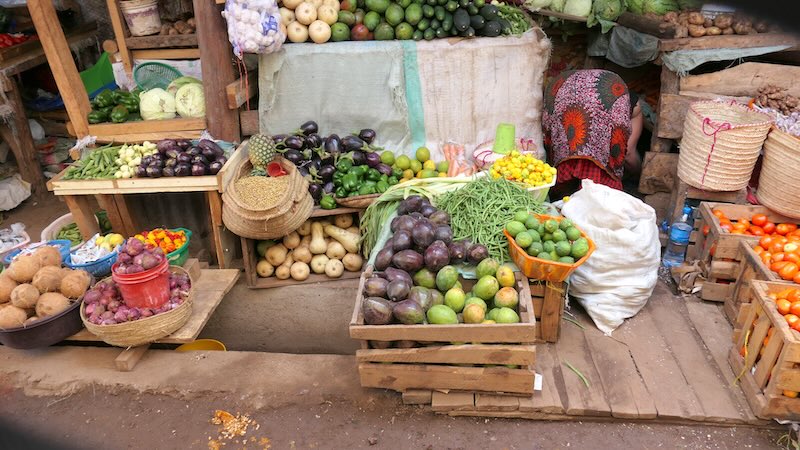
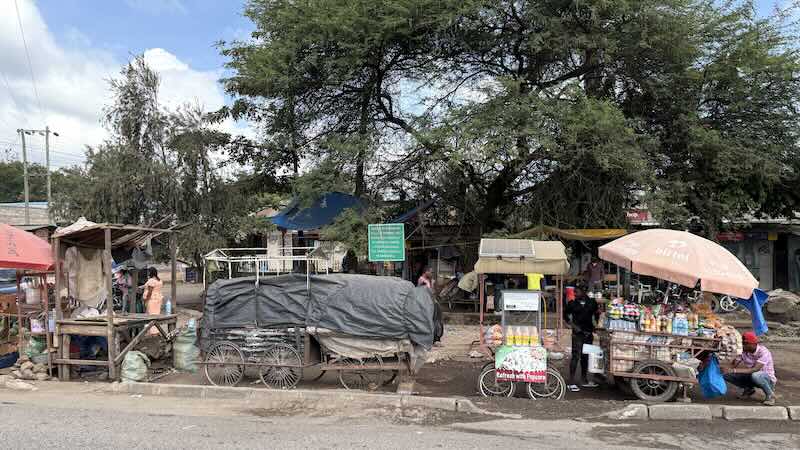
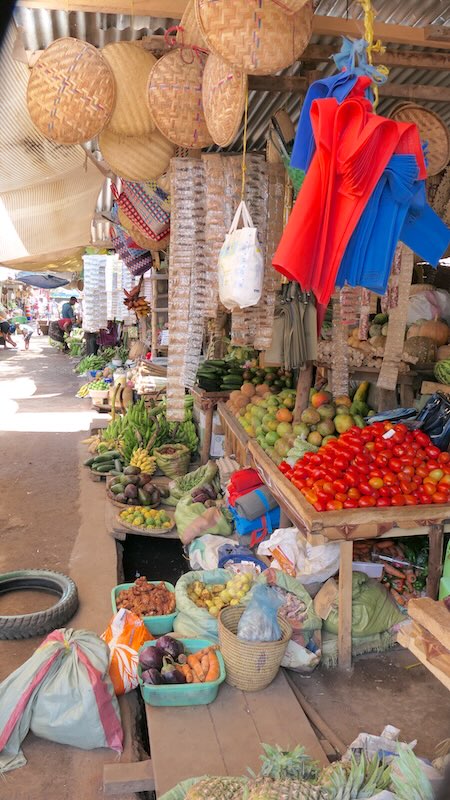
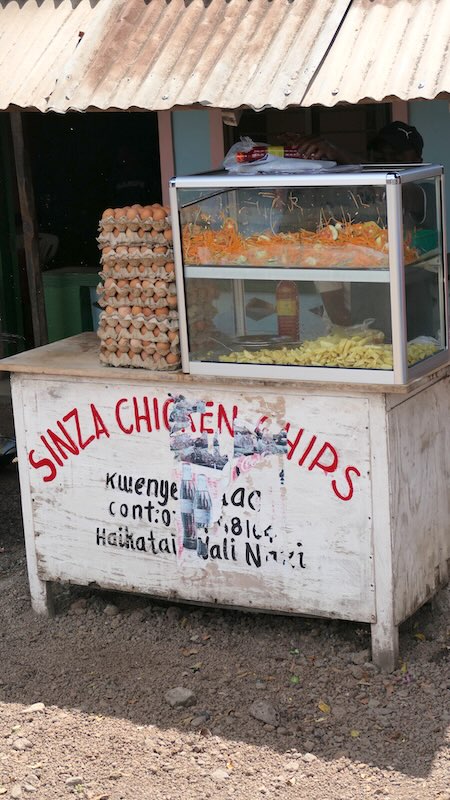
Die Stadtbilder von Arusha und Karatu sind sehr ähnlich. Die Safari hat uns durch diese beiden Städte geführt. Überall werden Waren an den Straßen angeboten. Es zeigt sich ein immer wiederkehrendes Straßenbild. Jetzt gerade, im Januar, ist es die Zeit von Ananas und Mango, aber auch Karotten. Gerade Karotten werden rund um Arusha viel angebaut. Jeden Morgen kann man die großen Halden von Karotten sehen. Sie werden dann in Säcke abgefüllt und ab Mittag ist es schon vorbei, die Halde und damit auch der Markt ist leergefegt.