Symbiosen der Tiere
Von Zebras und Gnus auf der großen Wanderung bis hin zu Pavianen als Wachposten für Warzenschweine – in Tansanias Tierwelt basiert das Überleben oft auf gegenseitiger Hilfe. Begleite uns auf eine lehrreiche Entdeckungstour durch die cleveren Symbiosen der Savanne und erfahre, warum selbst die kleinsten Vögel eine riesige Rolle für die Giganten Afrikas spielen.
Die Symbiosen der Tiere
Viele Tiere gehen hier eine Symbiose mit anderen Tieren ein. Einige Partnerschaften sind nur nützlich und andere sind lebensnotwendig.
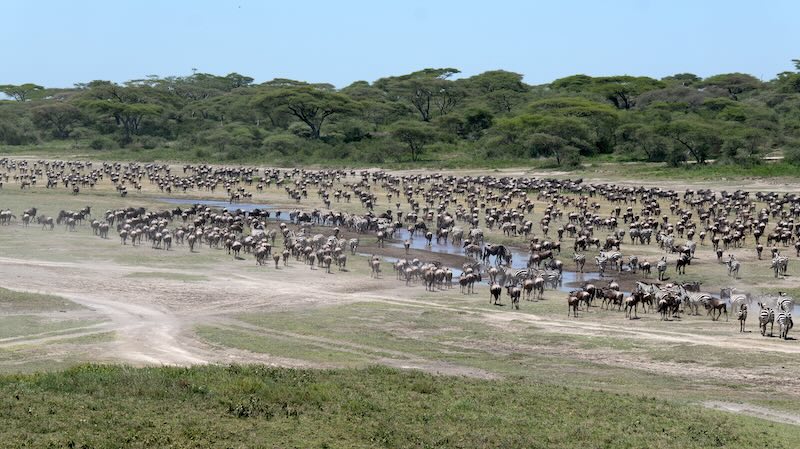
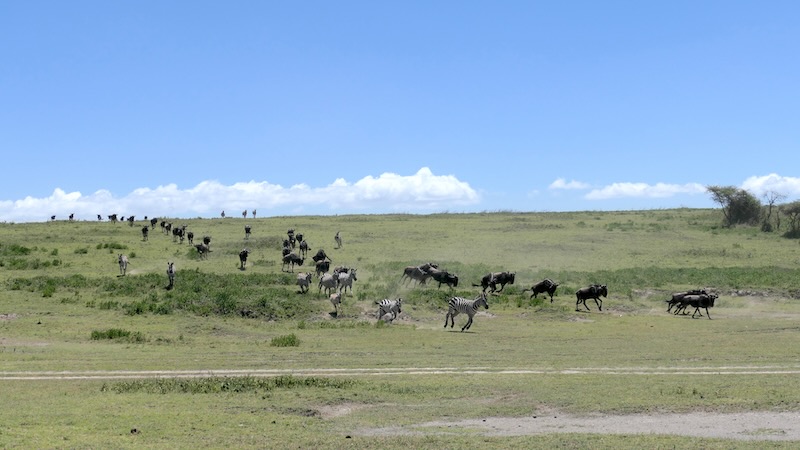
Die vielen Herden sind natürlich wandernd unterwegs. Weil es um das Futter geht, weil es um das Wasser geht, weil es um den Nachwuchs geht und weil es ums Überleben geht.
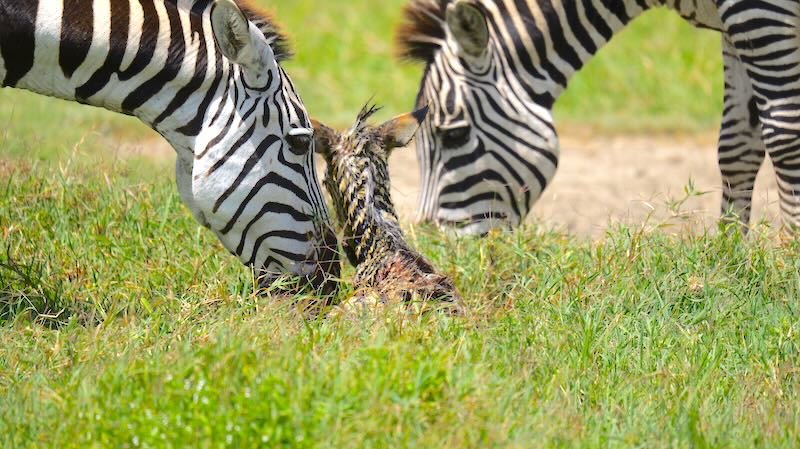
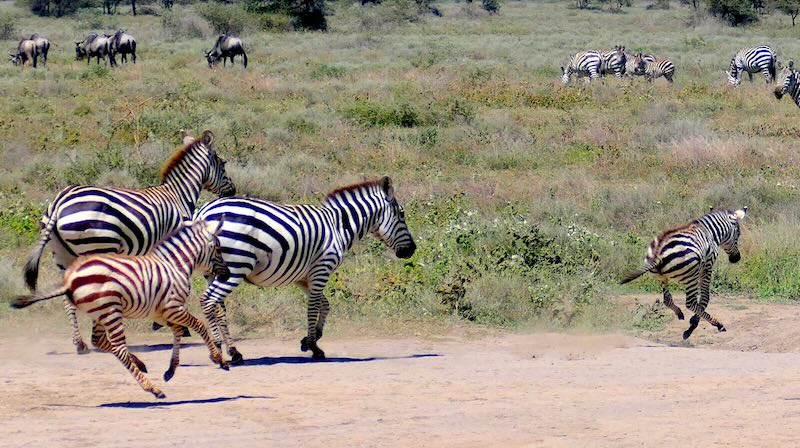
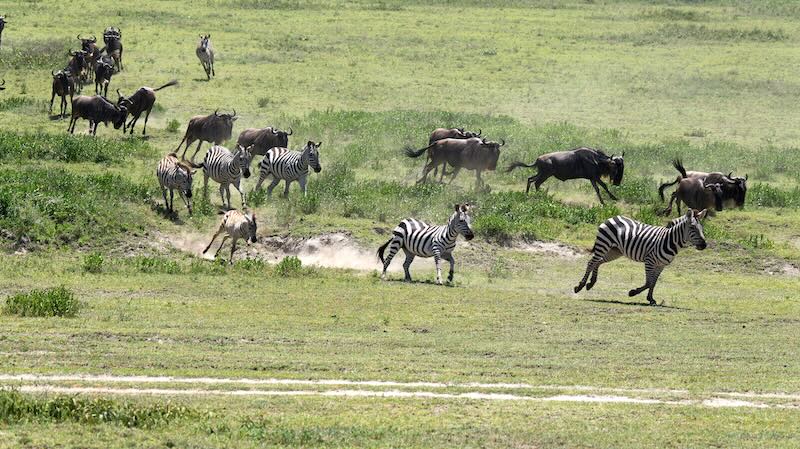
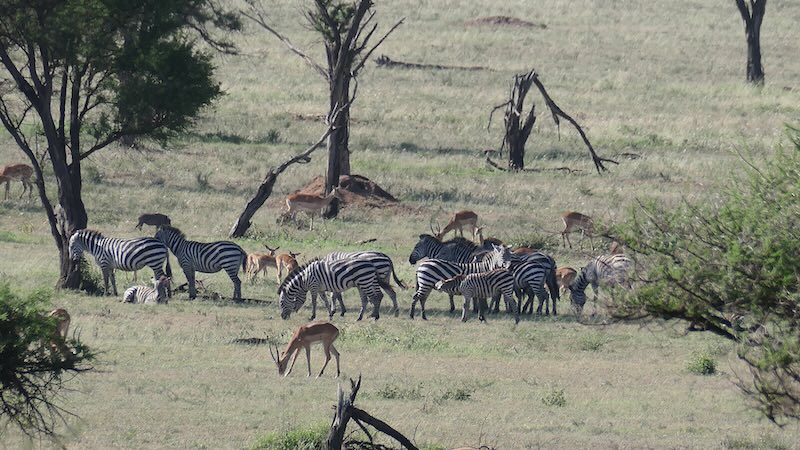
Aber wie funktioniert das wirklich? Auf der großen Wanderung verlassen sich die großen Herden aufeinander. Die Zebras sind wichtig für die korrekten Wege und haben ein gutes Gedächtnis für alles rundum Wege und Wasser. So schließen sich die Gnus und Antilopen gerne mit den Zebras zusammen. Auf der großen Wanderung sind sie zudem auch nicht in Konkurrenz. Zebras, Gnus und Antilopen fressen sehr unterschiedliche Pflanzen und so ist gewährleistet, das für alle genug da ist. Genauso ist es auch hier in Europa. Pferde, Esel, Schafe, Ziegen und Kühe haben auf den Weiden ganz unterschiedliche Prioritäten und würden auf einer Weide gut harmonieren.
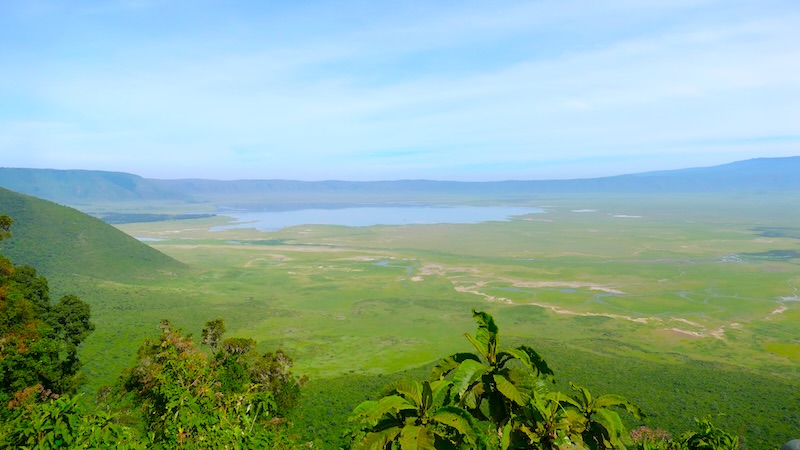
Bei dieser Wanderung sind aber auch die Raubtiere mit dabei. Durchqueren die Herden die Reviere der Raubtiere läuft es ganz ruhig ab oder es scheint jedenfalls für einen kurzen Moment so. Diese etwas andere Symbiose konnten wir im Ngorongoro Krater beobachten. Zwischen den vielen Zebras lagen die Löwen ganz ruhig und dösten in der Mittagssonne.
Warzenschweine und Paviane
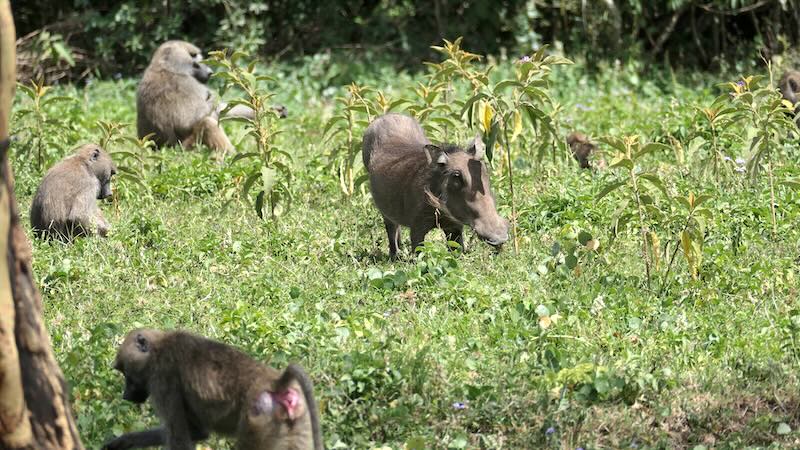
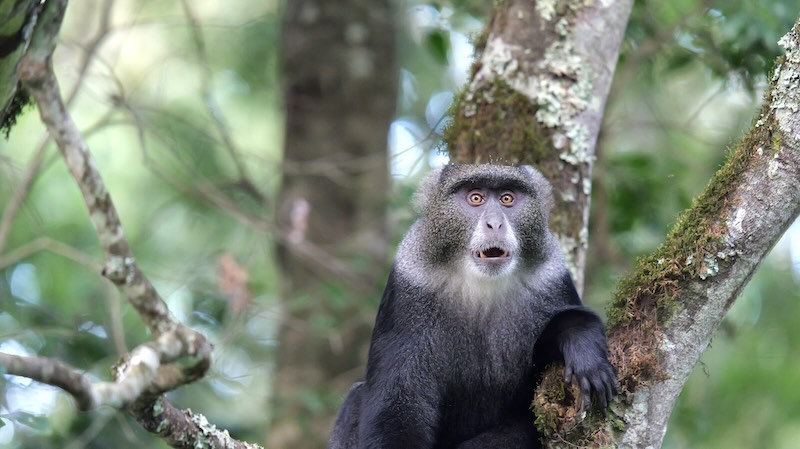
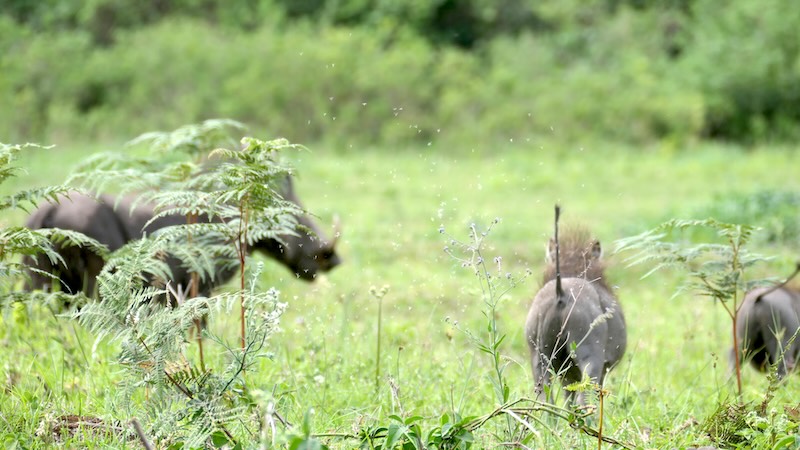
Im Arusha National Park leben neben vielen anderen Tieren Paviane. Sie sitzen auch direkt an den Wegen in den Bäumen. Wir kamen an einem Baum mit vielen Pavianen vorbei. Unten im Gras saßen Paviane ganz friedlich und neben ihnen stöberten Warzenschweine im Boden. Elly erklärte uns nun diese Gemeinschaft: Paviane haben sehr gute Augen und es gibt immer oben in den Bäumen einen Wachposten. Sie schlagen Alarm sobald sich ihnen ein Raubtier nähert. Und die Warzenschweine profitieren davon. Sie können dann, wenn es brenzlig wird, flüchten und erreichen dabei eine Geschwindigkeit von bis zu 50 km/h.
Und umgekehrt profitieren die Paviane von den Warzenschweinen. Mit ihren hoch am Kopf sitzenden Augen haben sie ein regelrechtes Frühwarnsystem und schlagen dann Alarm. Aber was heißt Alarm bei den Warzenschweinen? Sie stellen ihre Warzenhaare auf und auch ihren Schwanz mit Quaste. Elly sagte, als wir gerade ein solches Warzenschwein sahen „Schaut mal, das ist ein Radio Afrika“. Und wenn ich es genau überlege, ja es sieht wie eine Antenne aus, dieser Schwanz mit Quaste.
Impalas und Paviane
So wie Warzenschweine sich gerne den Pavianen anschließen, so ist es auch mit den Impalas. Wir haben sogar auch alle drei zusammen gesehen. Die Impalas nutzen die Paviane um doch ein wenig gelassener unterhalb der Bäume grasen zu können. Aber auch die Paviane profitieren von den Impalas. Die Impalas haben ein sehr gutes Gehör und wie bei vielen anderen Weidetieren auch ein extrem guten Geruchssinn. Beim Weiden werden die Ohren immer auf Alarm gestellt und die Nase wird sehr oft in den Wind gehalten. Gibt ein Tier Alarm, flüchten alle.
Kaffernbüffel und Kuhreiher
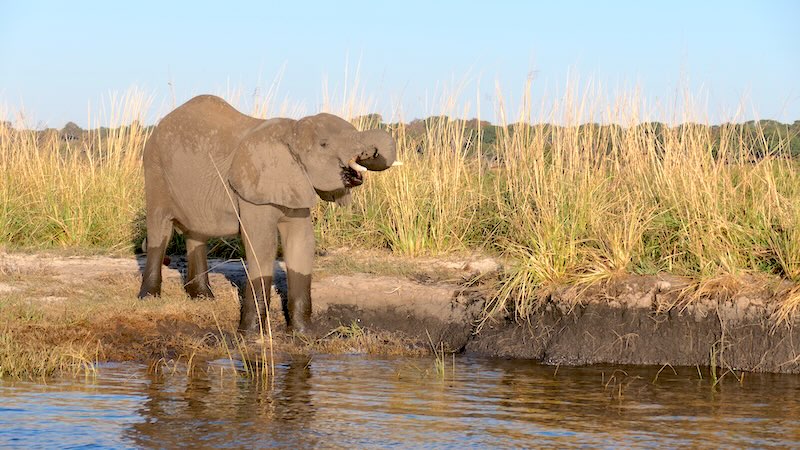
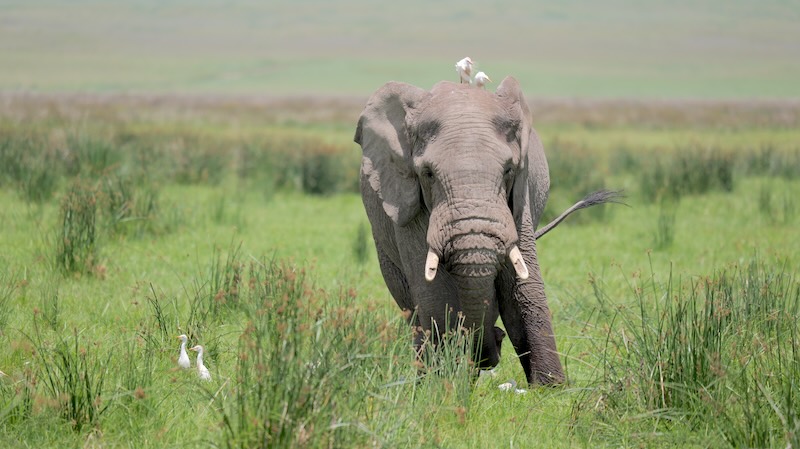
Zu den Kuhreihern im Einzelnen komme ich später noch. Kuhreiher haben wir bei so vielen Tieren gesehen, egal ob bei den Elefanten, den Gnus oder den Zebras.
All diese Tiere sind mehr oder weniger eine Symbiose mit den Kuhreihern eingegangen.
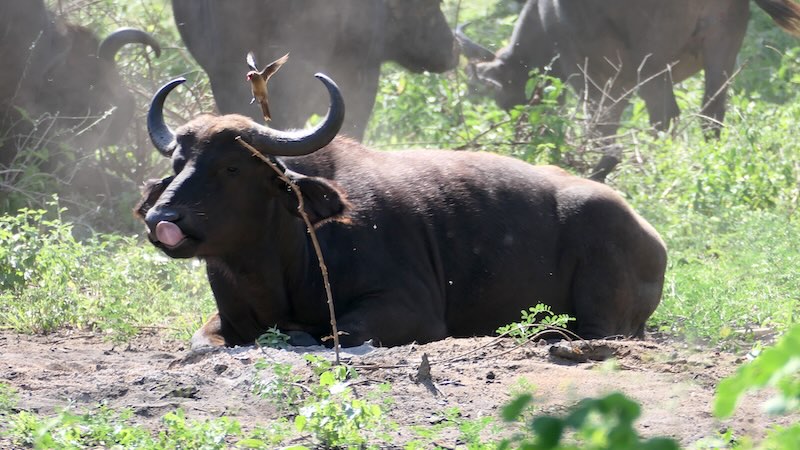
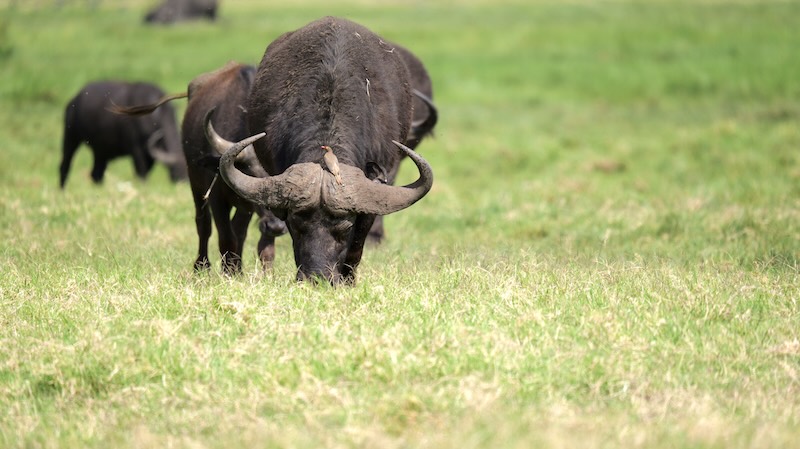
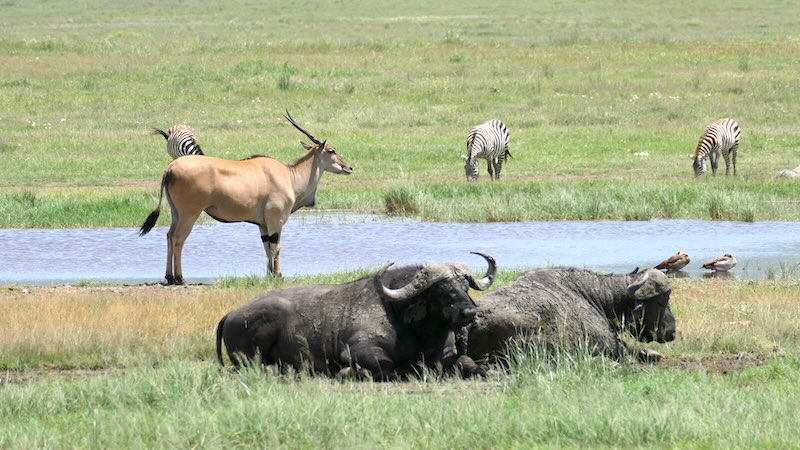
So wie auch die Kaffernbüffel. Kuhreiher sind prädestiniert als Insektenfresser rund um diese Tiere. Die Büffel fressen Gras und andere Gräser. Während sie das Gras abzupfen scheuchen sie Insekten aus dem Gras hoch. Darauf warten dann nur die Kuhreiher. Die Kuhreiher wandern so vor den Büffeln her, warten, schauen und – zack – fressen sie. Dann sitzen die Kuhreiher auf Bäumen und auch auf den Rücken der Büffel. Die Büffel tolerieren es, da sie dabei auch von den Kuhreihern profitieren. Solange die Kuhreiher nicht wegflattern ist alles in Ordnung und sie können weiter in aller Ruhe fressen, wiederkäuen, dösen oder sogar sich suhlen.
Die Lust auf Madenhacker
Für uns ein besonderes Fotomotiv und für die vielen Tiere so viel mehr. Die Vögel sind nicht besonders groß, aber sehen sehr besonders aus. Roter Schnabel und grünes Gefieder. Und bei dem ersten Zusammentreffen mit uns und den Vögeln auf den Kaffernbüffeln stellte uns Elly die spannende Frage:
„Und wie heißen diese Madenhacker nun mit richtigem Namen?“ Wir drucksten rum und irgendwie kamen wir nicht auf das naheliegendste. „Rotschnabel-Madenhacker“ sagte Elly mit einem Schmunzeln im Gesicht.
Wo immer wir dann die Madenhacker sahen boten sich beeindruckende Fotomotive.
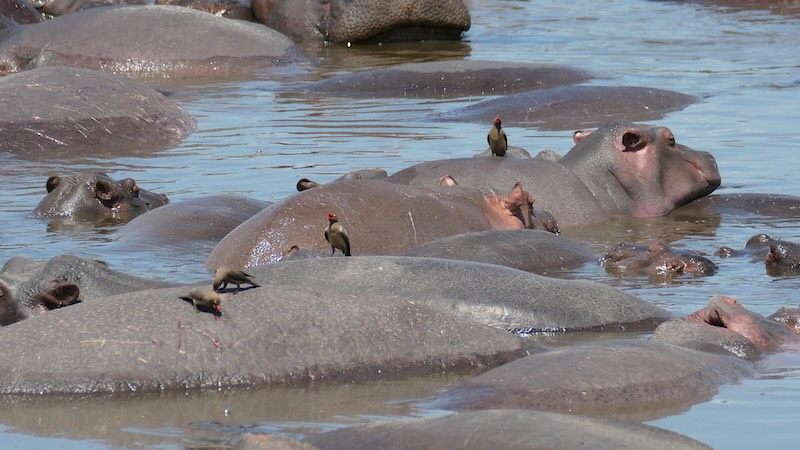
Sie saßen bei den Kaffernbüffeln auf den Hörnern, sie popelten bei den Zebras in den Ohren, sie plantschten mit den Flusspferden und sie nutzten den Rücken der Elefanten für einen besonderen Ausguck.
Symbiose oder Schein-Symbiose, beides wurde uns geboten.
Die Madenhacker pickten nach Parasiten, sie dienten als Frühwarnsystem, sie nutzten tierische Schutzräume und sie pickerten in offenen Wunden. Die Madenhacker hatten Lust auf die vielen Tiere. Aber viele Tiere hatten nicht immer Lust auf die Madenhacker, so schien es jedenfalls.