Flusspferde, mehr als niedliche Hippos
Obwohl Flusspferde auf den ersten Blick behäbig und niedlich wirken, gehören sie zu den gefährlichsten Tieren Afrikas. Begleite uns an der Seite unseres Guides Elly vom Ngorongoro-Krater bis in die Ndutu-Region und erlebe mit uns chilende Hippos, überlebenswichtige Schlammbäder und urkomische Tanzeinlagen inmitten hunderter Zebras.
Flusspferde – mehr als niedliche Hippos
Viele Tiere hier in Tansania sind sehr grazil und man sieht ihnen direkt an, wie und womit sie sich wehren können. Aber bei den Flusspferden ist es anders. Sie wirken einfach nur behäbig und trotz ihrer starken Hauer wirken sie eher harmlos. Aber das alles stimmt nicht! Sie sind mit die gefährlichsten Tiere hier in Tansania und hier in Afrika. Auch sind sie nicht behäbig, sondern können bis zu 30 h/km schnell werden. Also Vorsicht!
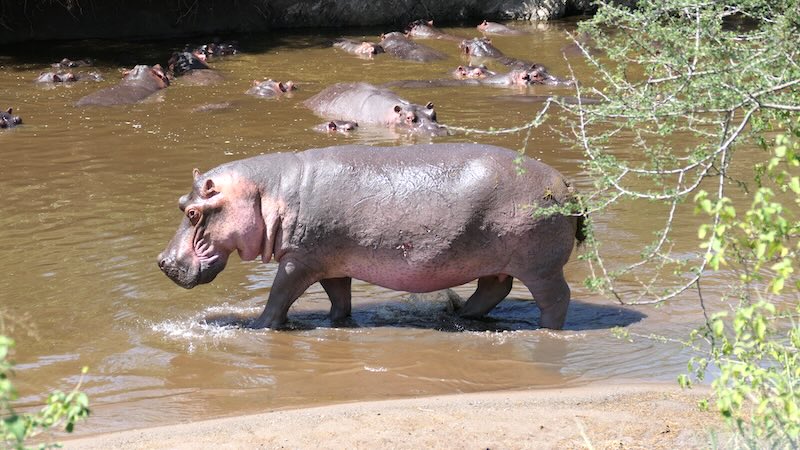
Flusspferd auf der Wiese
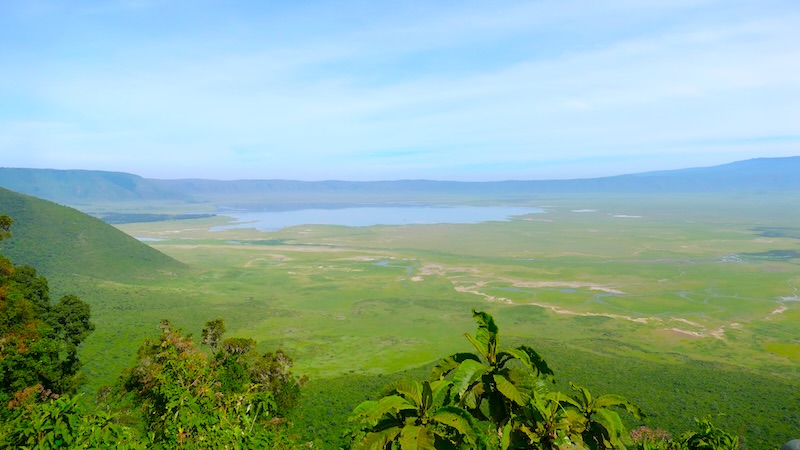
Flusspferde und Wasser, einfach unzertrennlich. Klar, das sagt doch schon der Name. Aber wie war das nun im Ngorongoro Krater?
In der Ferne, weit weg vom See, mitten im grünen Gras war ein Flusspferd. OK, hätte ich nicht gesehen, wenn Elly uns nicht darauf aufmerksam gemacht hätte. Eigentlich ungewöhnlich so mitten im Krater zu liegen, zu fressen.
Aber das Flusspferd wird wohl gewusst haben, warum.
Das war jetzt das erste Flusspferd was wir zu Gesicht bekommen hatten. Aber da ging noch mehr. So versicherte es uns auf jeden Fall Elly.
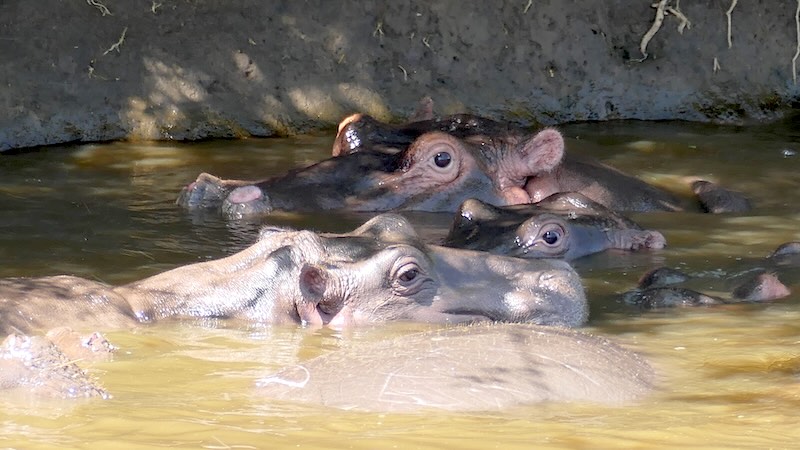
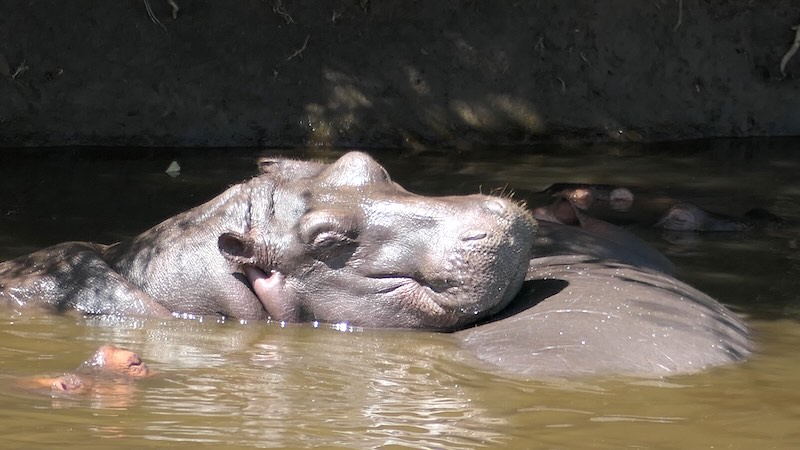
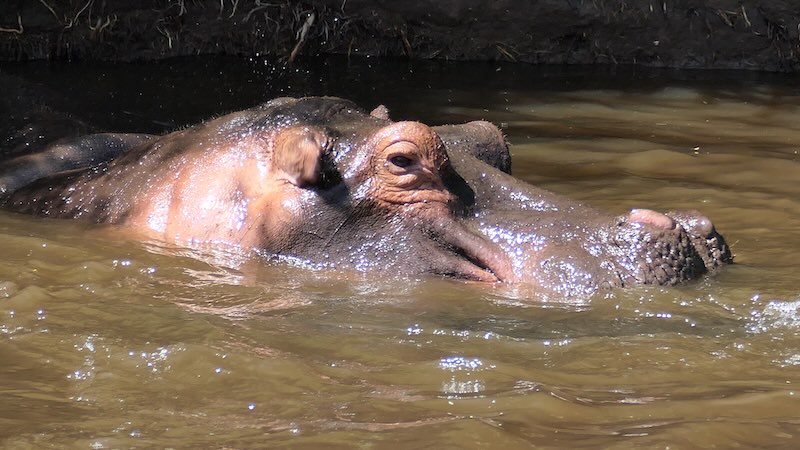
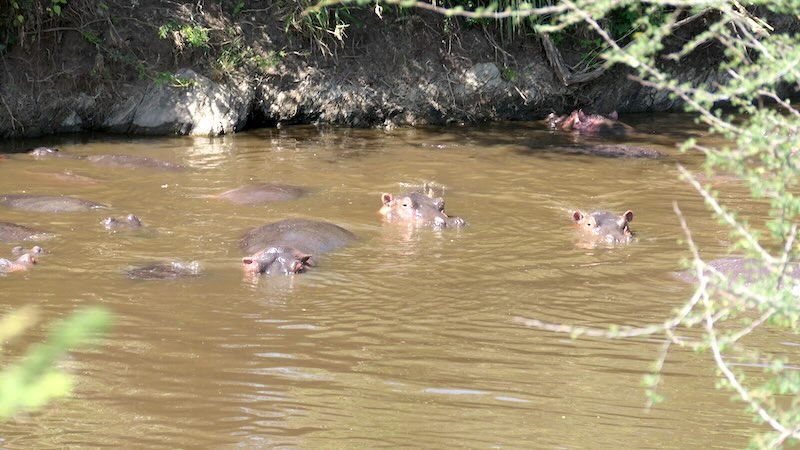
Flusspferde chillen
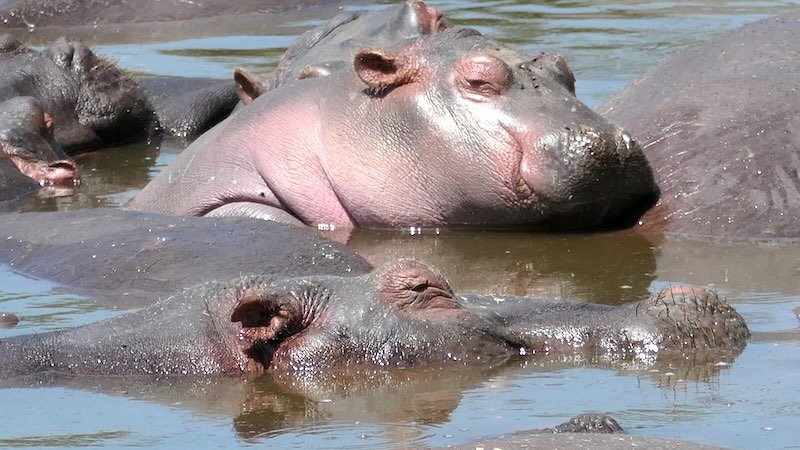
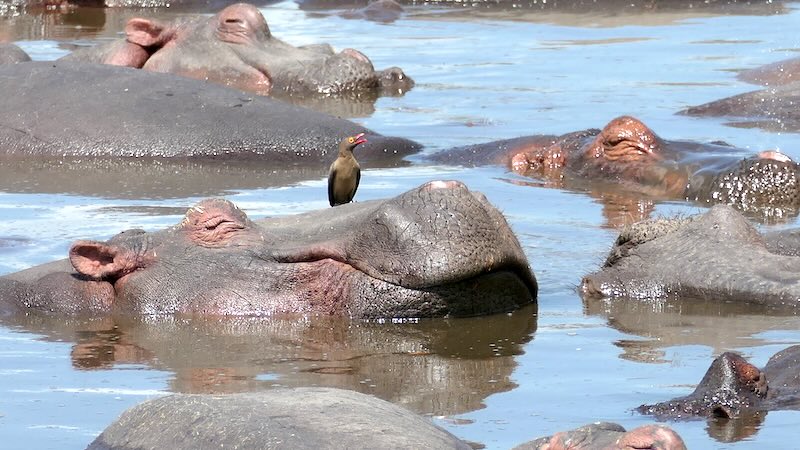
Chillen gehört bei den Flusspferden zum täglichen Leben. Tagsüber chillen und abends fressen. So oder so.
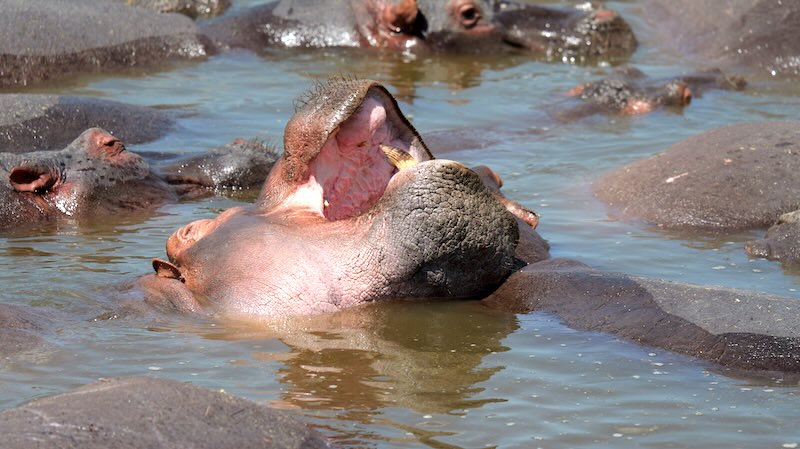
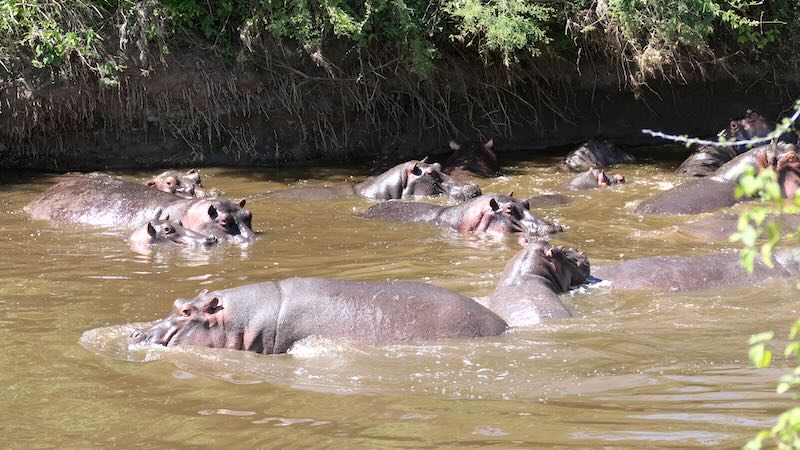
So liegen sie alle zusammen, familienweise oder nicht, dicht an dicht und chillen. Dann wird gepupst, gewedelt und wieder abgetaucht.
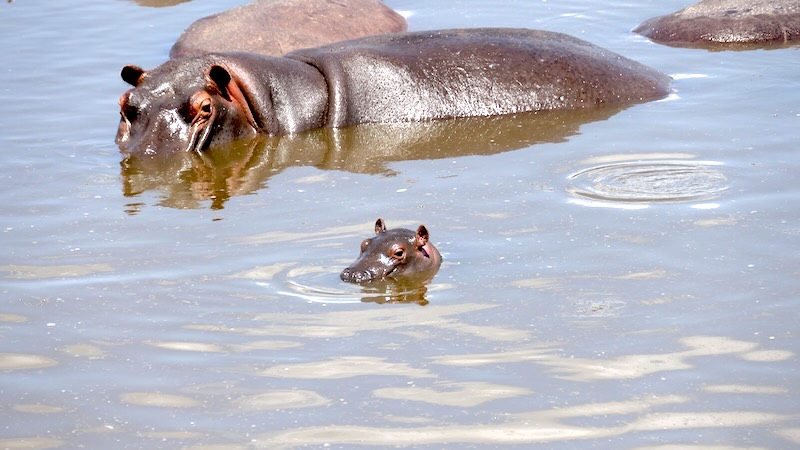
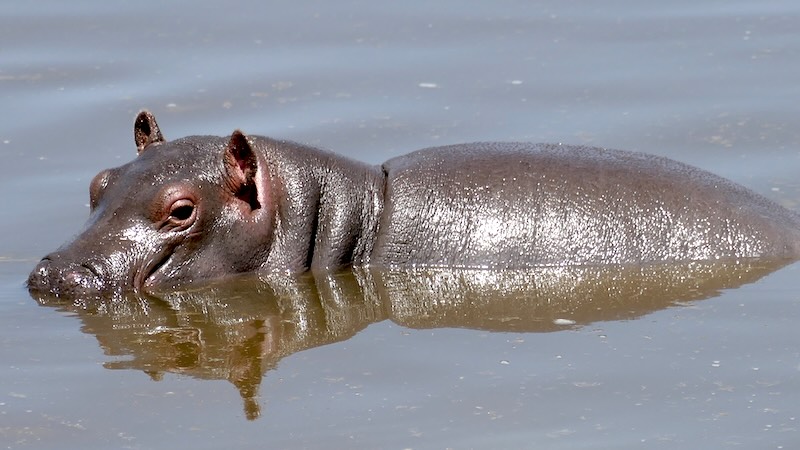
Die kleinen Hippos liegen bei ihren Mamas, kuscheln, tauchen ab und tauchen wieder auf. Sie tauchen auf und nur der Kopf schaut raus. Über Wasser nur der Kopf, die Ohren wackeln, die Nüstern schnauben und das Schwänzle wackelt. Chillen, gähnen und tauchen. Ganz ruhig, ganz gechillt, possierlich und doch sehr gefährlich. Das sind sie – die Flusspferde – die Hippos!
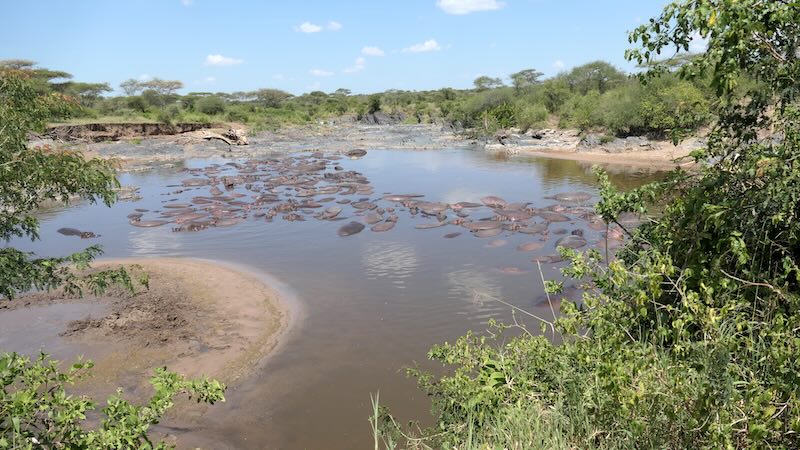
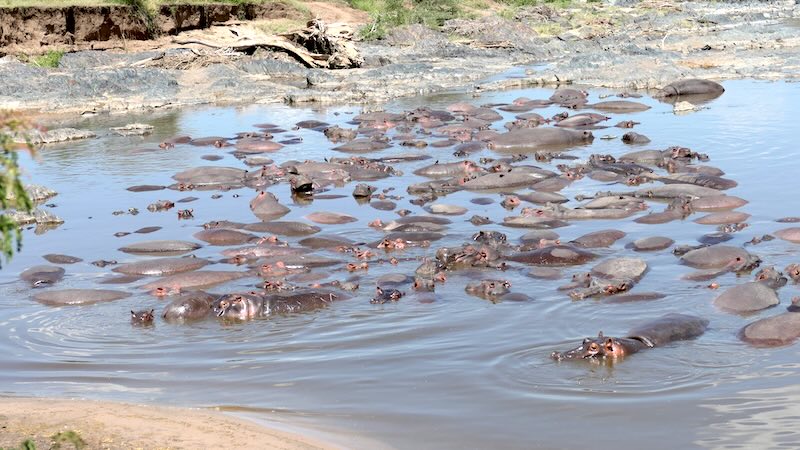
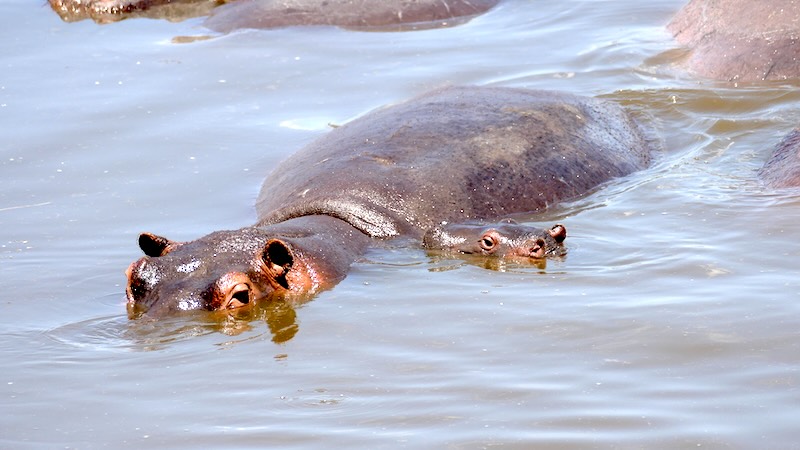
Flusspferde im Matschloch
Die nächsten Flusspferde gab es dann im Ndutu Gebiet.
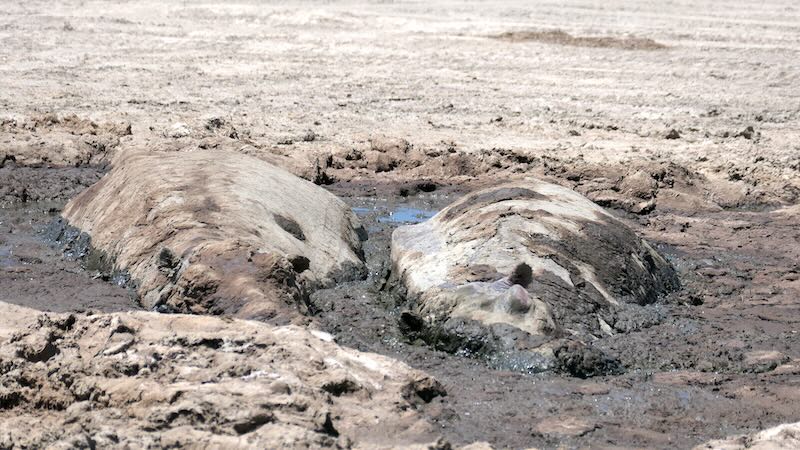
Das Flussbett eines Flussarms zum Ndutu Lake war schon weites gehend ausgetrocknet. Die Wasservögel und andere Tiere sind bereits weiter gezogen.
Mitten in dieser Trockenheit gab es ein kleinen Matschtümpel und mitten in diesem Tümpel zusammengekauert zwei Flusspferde. In dieser Matschpampe total verklebt diese beiden Flusspferde. Von oben die sengende Sonne und unten zwei Flusspferde. Was ist wenn morgen auch die Matschpampe nicht mehr da ist? Wo geht es dann hin? Wahrscheinlich dann in den Ndutu Lake oder den Zuflüssen.
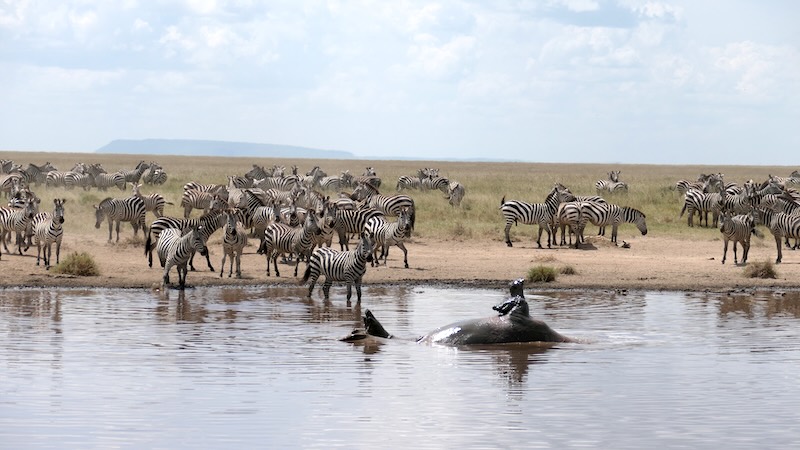
Ein Flusspferd, das kühle Nass und hunderte Zebras
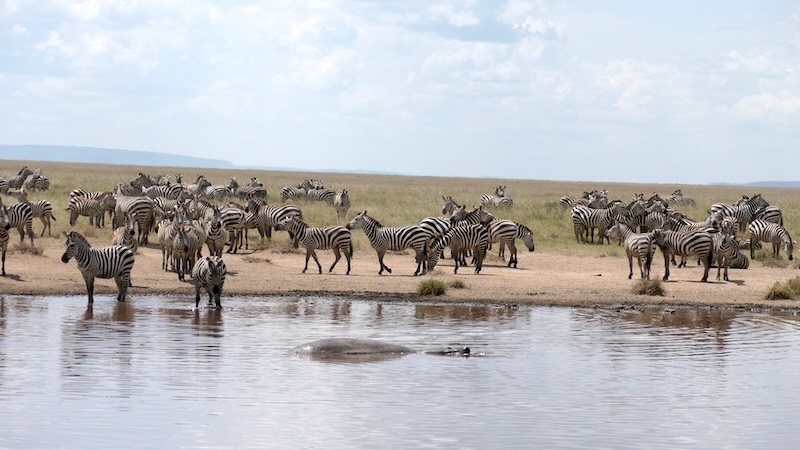
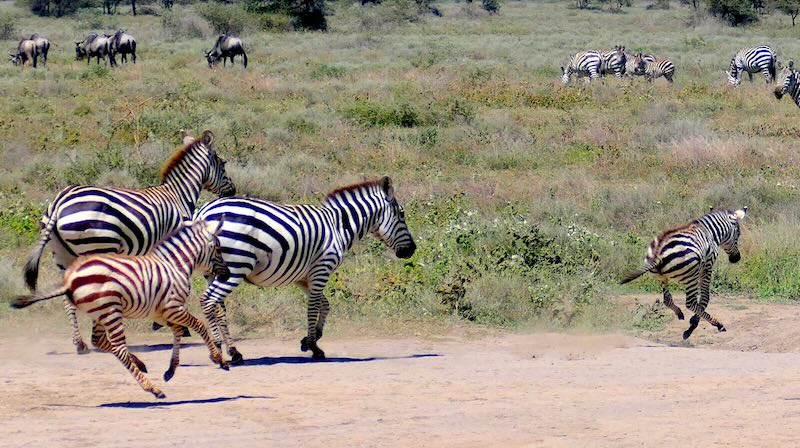
Mitten in der Savanne ein großes Wasserloch und die Zebras haben Durst. Hunderte Zebras, viele Staubwolken und am Wasserloch kommt für die Zebras nun das Warten.
„Geh du und schau ob das Wasser OK ist!“
So oder so denkt nun jedes einzelne Zebra. Ein Zebra nach dem anderen versucht ins Wasser zu gehen. Geht ein paar Schritte voran und tritt dann wieder zurück. Irgendwann ist den Zebras klar: „Hier gibt es nur das eine Flusspferd!“ Also können wir trinken und dann weiterziehen. Und das Flusspferd ist am Chillen und genießt das kühle Nass. Und dann ein einzigartiger Moment. Das Flusspferd macht eine Rolle im Wasser, taucht ab und streckt seine Beine nach oben.
Ganz nach dem Enten-Kinderlied:
Alle meine Hippos – plantschen in dem See – Köpfchen in das Wasser – Beinchen in die Höh …
Das sah schon sehr lustig aus.