Elefanten – die Dickhäuter der Savanne
Im Tarangire National Park und der Serengeti tauchen wir tief in das faszinierende Leben der afrikanischen Elefanten ein. Begleite uns an der Seite unseres Guides Elly und erfahre, wie Elefantenbabys durch sanftes Anstupsen den Anschluss halten, wie die Tiere ihre Körpersprache zur Kommunikation nutzen und warum der richtige Abstand im Busch über Leben und Tod entscheiden kann.
Elefanten – Die Dickhäuter der Savanne
In jedem der von uns auf dieser Reise besuchten Nationalparks haben wir Elefanten gesehen, gesichtet und bestaunt. Unser Guide, Elly, hat natürlich zu diesen imposanten Tieren viel erzählt. Seit nun mehr 20 Jahren ist Elly als Guide hier in Tansania unterwegs. So kennt er Tansania wie seine Westentasche. Ob Wege, ob Tiere, ob Aufenthaltsort, Elly weiß so vieles.
Vor uns liegt nun die grüne Landschaft mit wunderschönen Akazienbäumen im Tarangire National Park. Soweit das Auge reicht – Akazienbäume und Elefanten-Herden. Ob nun von links oder von rechts, von überall her kommen Elefanten durch die Grasflächen angeschlendert. Sie kreuzen einzeln, in kleinen und großen Gruppen unseren Weg. Wir schauen von oben aus der Luke nun auf jeden einzelnen Elefanten, schauen weit in das Tal und sind besonders von den vielen jungen Elefanten begeistert.


Stups mich an
Sorry, wenn ich gleich als Beispiel den Zirkus erwähne. Aus dem Zirkus kennt man die Szenen, wo Elefanten hintereinander hertrotten und der Nachfolger mit seinem Rüssel den Schwanz vom Vorgänger hält. Aber ist das eine dressierte Übung?
Elly zeigte auf ein Muttertier und sein Elefanten-Baby. Sie trotteten so dahin. Der Mutter folgt das Baby und in regelmäßigen Abständen bleibt die Elefanten-Mutter stehen und das Baby läuft auf die Mutter auf und berührt sie so am Hinterteil. Erst dann geht die Mutter weiter. Elly sagt „Das ist ein natürliches Verhalten“. Die Elefanten-Mutter kann so sicher sein, dass das Baby noch da ist. Instinktiv wird das von jedem Baby und jeder Mutter so praktiziert. Das Muttertier muss sich nicht umdrehen, muss nicht nach dem Baby suchen. Sondern das Baby weiß ganz genau „ich muss folgen und regelmäßig stupsen“.
Es war schön zu sehen wie es im Herdenverband so funktioniert.
Etwas ganz Besonderes war es dann mitzuerleben wie das kleine Baby bei der Mutter trank. Die Elefanten-Mutter hat ihr Gesäuge, so wie bei uns Menschen, an der Brust. Es liegt unterhalb vom Brustbein zwischen den beiden Vorderbeinen. Damit das kleine Elefanten-Baby trinken kann winkelt die Mutter ihr Vorderbein ein wenig an und lässt so das Elefanten-Baby an das Gesäuge. Das Baby tastet zuerst mit seinem kleinen Rüssel und nimmt dann eine Zitze ins Maul und trinkt.
Elly meinte dann „dieses kleine Elefanten-Baby ist erst ein paar Monate alt und die Jungtiere bleiben bis zum vierten Lebensjahr bei der Mutter“.


Elefanten sind nicht wählerisch
Eine der kleinen Herden steht nun nicht weit von uns entfernt und ist dabei, genüsslich Gras zu fressen. „Elefanten sind beim Fressen nicht wählerisch“ meint Elly. Sie reißen mit ihren Rüssel Gras ab, schütteln es mit einem kurzem Schlag unter ihre Brust aus und stecken es ins Maul. Wenn sie das Gras mit Wurzeln erwischt haben, dann passiert es genauso. Sie schlagen das Büschel unter die Brust und stecken es ins Maul. Aber die Wurzeln werden dann seitlich wieder ausgespuckt und fallen auf den Boden.
Das Gras hier in der Savanne ist leider oftmals nicht so nährstoffreich. Durch den Regen wächst es schnell, oftmals zu schnell und so bleibt der Nährstoffgehalt häufig gering. Daher brauchen die Elefanten hier sehr viel Gras und sind durchgehend am Fressen.
Je nach Vegetationszone werden besonders gerne auch Blätter, Äste und Rinden der vielen Akazienbäume gefressen. So wird beim Wandern durch die Landschaft das gefressen, was dort gerade wächst.
Akazienbäume haben, für ihr eigenes Überleben, eine besondere Strategie entwickelt. Sobald ein Tier, ob Elefant oder Giraffe, sich an den jungen Blättern genüsslich gelabt hat, fängt der Baum an, einen ungenießbaren Pflanzensaft zu produzieren. Jetzt verstehe ich auch, warum Giraffen und Elefanten beim Fressen wandern. Sich an einem Baum aufzuhalten macht bezüglich der dann ungenießbaren Blätter einfach keinen Sinn.
Aber die Elefanten können auch anders. Wenn ihnen danach ist wird kurzerhand auch ein kleiner Akazienbaum umgestoßen. Liegt er erst einmal auf der Seite ist sein Ende vorprogrammiert und der ungenießbare Saft kann nicht mehr produziert werden. So bleibt dann die ganze Gruppe am Baum stehen. Oftmals wird dann vom Baum bis auf den kahlen Stamm alles verputzt. Wenn sie doch einmal etwas übrig lassen, dann kommen auch gerne noch die Antilopen und knabbern die letzten Reste.


Wedel doch mal
So wie sie genüsslich Grasbüschel um Grasbüschel verzehren so wedeln sie dabei auch durchgehend mit den Ohren. „Ja zu wedeln, das ist schon wichtig“ meint Elly. In den Ohren haben sie eine hohe Anzahl von Blutäderchen und durch das Fächern kühlen sie das Blut ab. Das abgekühlte Blut gelangt dann in den restlichen Körper und verschafft so die notwendige Kühlung.
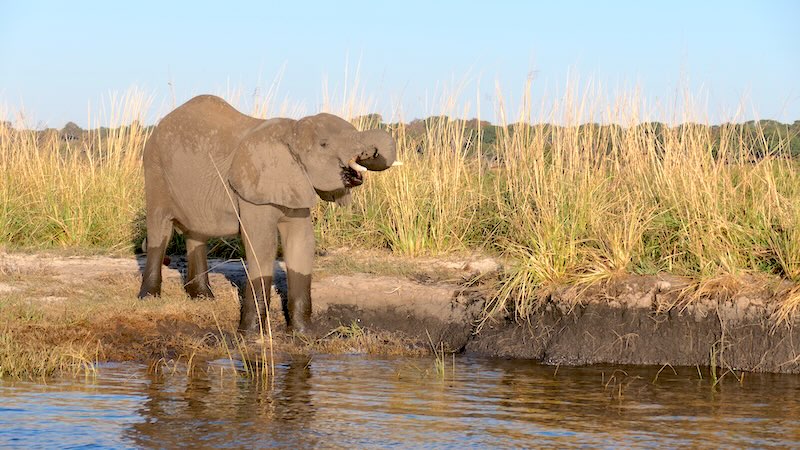
Ein paar Tage später konnten wir eine Gruppe von Elefanten im südlichen Serengeti NP an einem Wasserloch beobachten. Sie waren alle dabei, genüsslich durch das Wasser zu stampfen, tranken ab und an und warfen sich das aufgenommene Wasser über die Seite oder direkt über den Rücken. Elly meinte dann nur dazu, „so wie sie sich durch das Fächern der großen Ohren Kühlung verschaffen, so machen sie es auch mit dem Wasser oder noch besser mit so richtigem Schlamm“. Ich dachte den Schlamm brauchen sie zur Insektenabwehr, aber das ist wohl nur ein Nebenprodukt. In erster Linie, um sich Kühlung zu verschaffen und um sich vor der Sonne zu schützen. Schlamm als Sonnenschutz wird ebenfalls von den Dickhäutern verwendet.


Elefant oder Auto – wer ist schneller?
Wir saßen auf der Veranda unserer letzten Lodge in der Serengeti. Es war bereits später Nachmittag und wir hatten unsere Pirschfahrt beendet. So genossen wir den Blick in die Weite der Serengeti auf eine Elefantenherde.
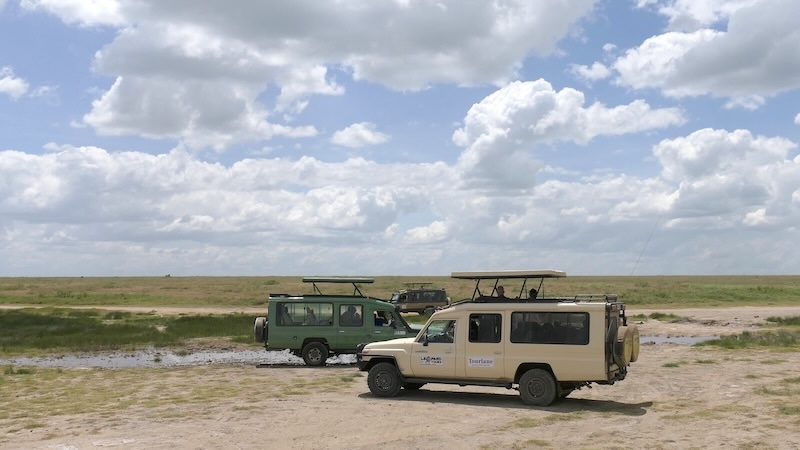
Die Elefantenherde graste gar nicht so weit von uns ganz friedlich. Dann näherte sich einer der vielen LandCruiser. Ich dachte schon bei mir, ok die fahren nun doch sehr nah ran und prompt schlug die Stimmung bei den Elefanten um. Zwei der Elefanten nahmen Fahrt auf, gaben extreme Laute über den Rüssel von sich und attackierten das Auto. Der Fahrer war gerade noch geistesgegenwärtig genug und fuhr im Vollspeed vor den Elefanten weg. Erst als das Auto weit genug weg war haben die beiden Elefanten auch wieder abgedreht. Wir hatten uns später am Abend mit den beiden Safari-Touristen aus diesem LandCruiser unterhalten. Beiden war die brenzlige Situation schon bewusst. Die Dame meinte: „I closed my window very quick!“ Davon hätte sich der Elefant ganz sicher nicht abhalten lassen, aber ich glaube, das war auch nur ein kleiner Witz um die brenzlige Situation besser zu verarbeiten.


Elefanten – mit Mimik, Gestik und Respekt
Elly hat uns am nächsten Tag noch einiges zu solchen Situationen erläutert. „Es ist ganz wichtig die Mimik und Gestik der Elefanten deuten zu können. Wenn ein Elefant die beiden Stoßzähne nach unten geneigt hat und sich uns nähert ist alles in Ordnung“. Die Neigung der Stoßzähne gibt an in welcher Stimmung der Elefant aktuell ist. Wenn sie nach oben zeigen, dann ist Gefahr in Verzug. Wenn dann auch noch mit dem Kopf geschüttelt wird und auch noch ins Horn geblasen wird, dann „gute Nacht“. Dann heißt es, sich bloß schnell entfernen. Oder am besten, gar nicht erst solch eine Situation entstehen lassen.
Selbst die Löwen könnten, wenn sie wollten, für einen LandCruiser gefährlich werden. Ein Löwe kann die Scheiben einfach zerstören und schon wäre er im Fahrzeug.
Unser Guide, Elly, war bei allen wilden Tieren immer sehr vorsichtig und hat immer den notwendigen Abstand gehalten. Das finde ich schon alleine aus Respekt vor den Tieren mehr als wichtig.
Besondere Vorsicht und den notwendigen Abstand hielt er ein, wenn wir uns einer Gruppe von Jungbullen näherten. Hier hielt er gleich an oder fuhr lieber anders weiter und blieb dann immer in einem guten Abstand zu den Bullen. Die Jungbullen messen gerne mal ihre Kräfte. Aber das lieber unter sich und nicht mit unserem Auto.