Tansania – Pirschgang mit Ranger
Am Momella Gate erwartet uns ein bewaffneter Ranger für ein ganz besonderes Abenteuer – den ersten Pirschgang unserer Reise. Begleite uns auf Tuchfühlung mit unberechenbaren Kaffernbüffeln, staune über suhlende Warzenschweine am tosenden Tululusia-Wasserfall und erfahre, wie die Natur Tansanias ihre ganz eigene Zahnbürste und Heilmedizin bereitstellt.
Pirschgang im Arusha National Park
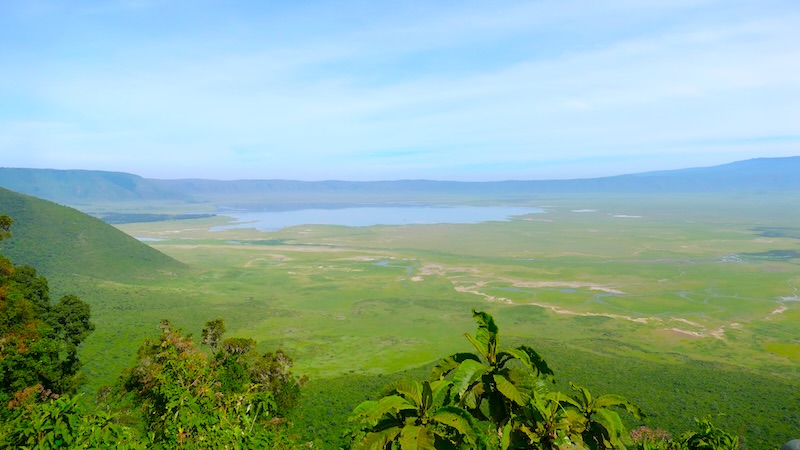
Im Ngurdoto-Krater, der einem kleineren Ngorongoro-Krater ähnelt, dort kann man mit etwas Glück Büffel in den Sümpfen am Kraterboden sehen. Das hatte ich vorab im Internet gelesen. So waren wir gespannt.
Für uns total aufregend und für Elly ein Fahren gegen die Zeit, denn die Ranger warteten schon auf uns am Momela Gate.
Elly hatte uns am frühen Nachmittag beim Momella Gate bei den Rangern abgeliefert. Wir waren sehr gespannt, wussten wir doch nicht was uns bei solch einem Pirschgang erwarten wird.
Ein Ranger, ausgestattet mit Jagdgewehr und Messer, ging nun vor uns her den Weg durch die Sträucher in die Arusha Ebene. Das erste Mal in Afrika und gleich in den ersten Stunden zu Fuß unterwegs. Wir gingen die ersten Meter stumm hinter dem Ranger her. Mein Blick ging nach rechts, nach links und auf den Weg. Werden wir hier beim Pirschgang Tiere sehen? Gibt es Schlangen auf dem Weg?
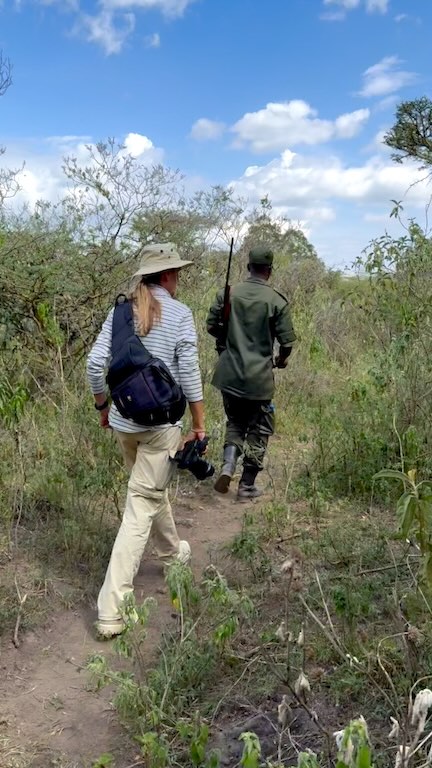
Für unsere 2 Stunden waren wir auf einer kleinen Runde unterwegs. Erst in Richtung der Momella Wildlife Lodge rechts der Momella Road, dann im Bogen rüber auf die anderen Seite zum Wasserfall und dann wieder zurück zum Momella Gate. Es war eine kleine Runde im großen Arusha NP, aber eine große Erfahrung für uns mit vielen Tieren auf unserer Runde.
Arusha die grüne Oase
Wir sind also beim Gate nach rechts durch die Sträucher gestartet. Uns im Rücken der Mount Meru und vor uns in der Ferne der Kilimandscharo. Als wir dann auf einer grünen Lichtung angekommen waren wirkte der Blick auf den Mount Meru sehr imposant. Wir blickten in alle Richtungen und überall die wunderschönsten grünen Farben. Farben von Sträuchern, Bäumen und Gräsern. Grün in der Ebene, an den Berghängen bis hoch in die Berggipfel.
Der Ranger erklärte uns: „It is green here all year round. Arusha is known as a green oasis and provides a habitat for a wide variety of animals”. Ja, der Arusha NP ist als “Grüne Oase” bekannt. „Elephants even migrate high up on Mount Meru, where the find enough to eat”
Bei einem unserer nächsten Besuch hier in Tansania werden wir uns eine Wanderung mit einem Ranger hoch auf den Mount Meru vornehmen.
Zu Fuß bei den Kaffernbüffel
Noch mit den Gedanken an die grüne Oase gingen wir eben über jene Wiese. Unser Blick ging nun über die Wiese. Nur ein paar hundert Meter vor uns konnten wir die Hütten der Momella Wildlife Lodge erblicken und upps, vor uns natürlich eine große Herde Kaffernbüffel.
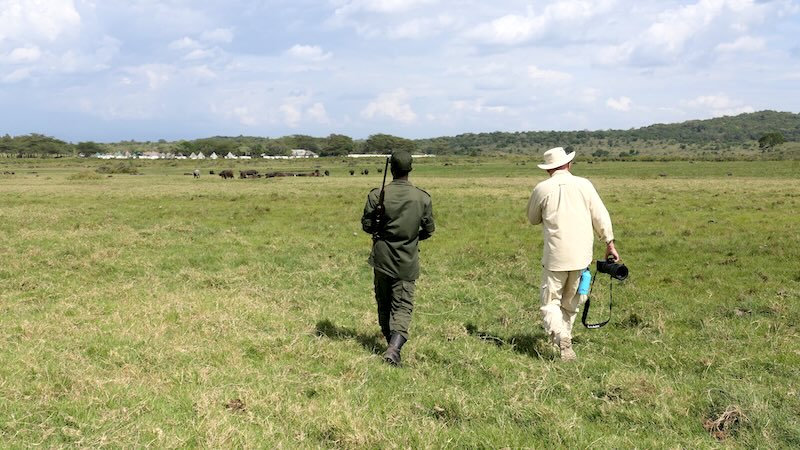
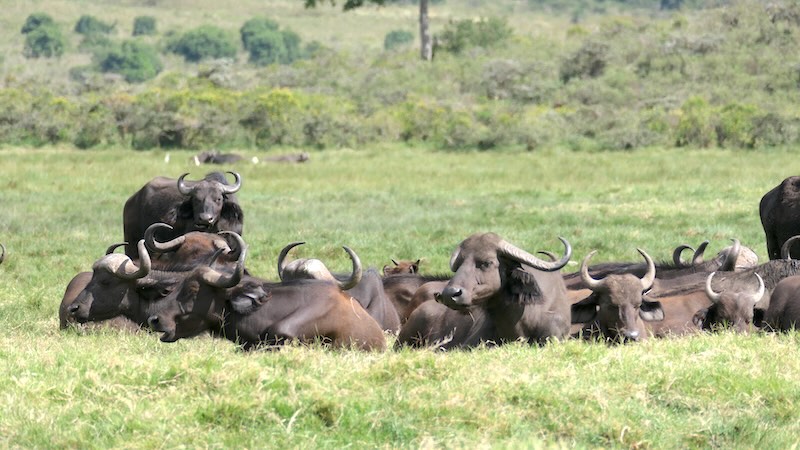
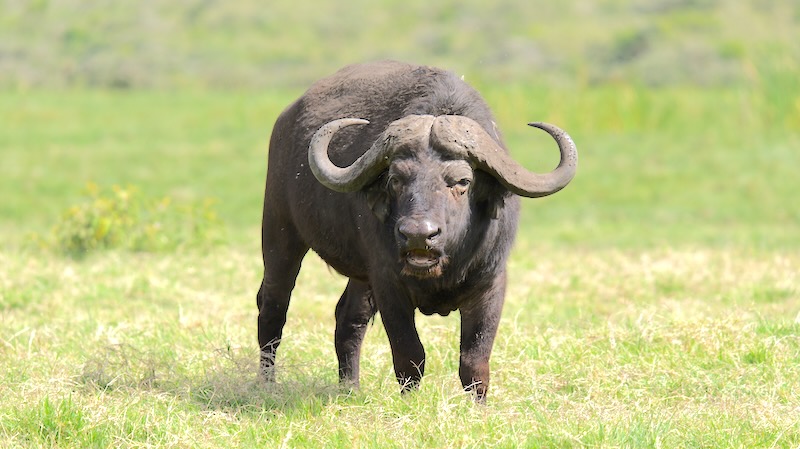
Auf dem Weg zum Gate hatten wir ja in der „Small Serengeti“ bereits in der Ferne Kaffernbüffel gesehen. Aber jetzt stand die Herde nicht weit vor uns. Viel werden wir noch über die Kaffernbüffel lernen und über ihre Gefährlichkeit. Aber bei diesem Pirschgang wirkten sie einfach nur wie eine normale Rinderherde.
Wir machten also ganz interessiert unsere Fotos. Jeder einzelne Büffel kam auf ein Foto. Ob jung, ob alt, weiblich, männlich, mit Madenhacker, widerkäuend oder fressend. Die Herde wirkte sehr friedlich.
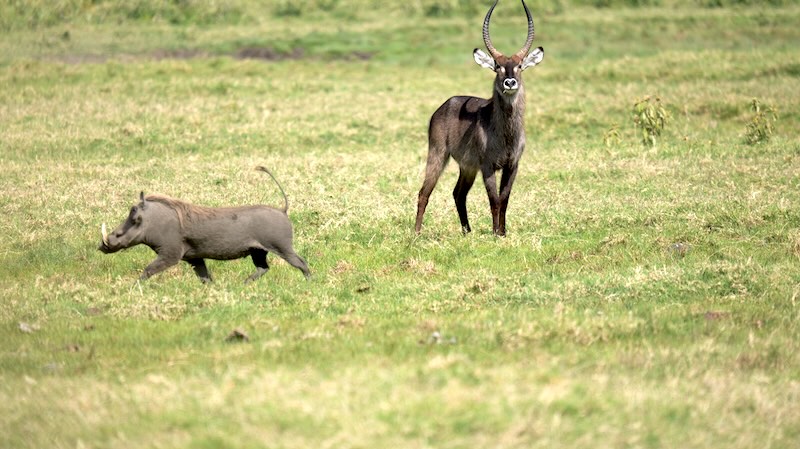
Viele lagen gemeinsam wiederkauernd ganz eng beieinander. Und neben den vielen kleinen Kälbern, den Mutterkühen waren auch ältere Bullen. Sind die älteren hier die Gagga Boys? Zwischen all diesen Büffeln wuselten auch Warzenschweine umeinander. Sie wirkten alle sehr ruhig, aber dann ging „Radio Afrika“ auf Sendung. Die Warzenschweine liefen los mit dem Schwanz aufgestellt, eben Radio-Afrika. Das war das Zeichen für den Ranger mit uns schnell weiter zu gehen und hinter den nächsten Sträuchern zu verschwinden.
Mit unserem heutigen Wissenstand war klar: Hier galt es besonders vorsichtig zu sein. Kaffernbüffel sind unberechenbar und die älteren männlichen Tiere oft von jetzt auf gleich sehr aggressiv.
Vorbei an Wasserböcken
Der Fußmarsch führte uns weiter vorbei an Mausvögeln und Bienenfressern und auch an einigen Wasserböcken. Ein Wasserbockhatte uns wohl bereits aus der Ferne wahrgenommen. Jedenfalls stand er wie angewurzelt da und blickte genau in unsere Richtung. „Waterbuck so impressive, great photo model“ sagte uns der Ranger und gab uns die Zeit für tolle Fotos. Als das Tier nach einer Weile davon trottete meinte der Range noch dazu „It is a waterbuck with a elliptical ring“. Elly meinte später sehr humorvoll „Wasserböcke mit Klobrille“. Und ja, der Ring am Hinterteil der Wasserböcke sieht aus wie eine Klobrille.
Auf zum Tululusia Waterfall
Unser Weg führte uns nun auf die andere Seite vom Momella Gate. Der Ranger wollte uns noch den Tululusia Wasserfall zeigen. In diesem Teil der Arusha Ebene schlängelt sich ein kleiner Bachlauf bis zum Wasserfall entlang. Der Bach und die feuchten Wiesen rundherum laden ein zum Suhlen. Lädt die Warzenschweine zum Suhlen ein und wir bekamen eine große Warzenschwein-Rotte zu sehen. Die Warzenschweine nahmen keine Notiz von uns und so konnten wir am Bach weiter zum Wasserfall wandern. Und ganz nebenbei Fotos von suhlenden Warzenschweinen schießen.
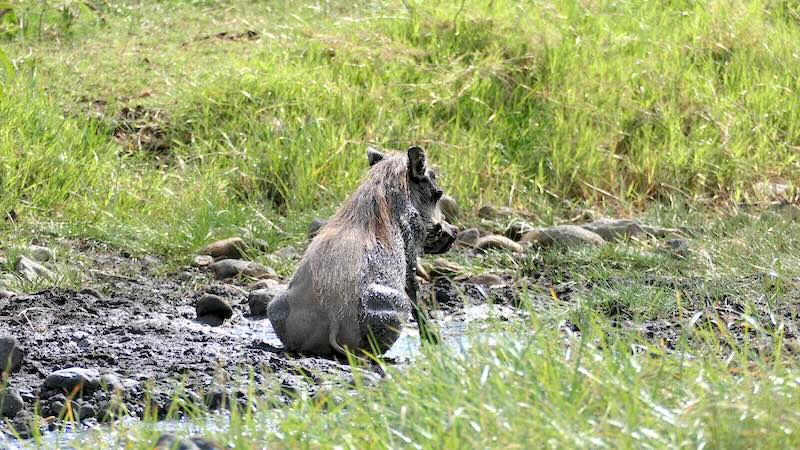
Der Ranger hielt einen Moment inne bei den Warzenschweinen. „Can you hear the noises?“ Ja, wir hörten die Geräusche, aber konnten sie irgendwie nicht zuordnen. Zu komisch hörte es sich an. „A boar is making very amusing noises here, he is courting a sow!”
Der Funke ist dann zu uns übergesprungen. Und jedes neue Treffen mit diesen leisen, lauten Vertretern machte es immer wieder zu einem Erlebnis.
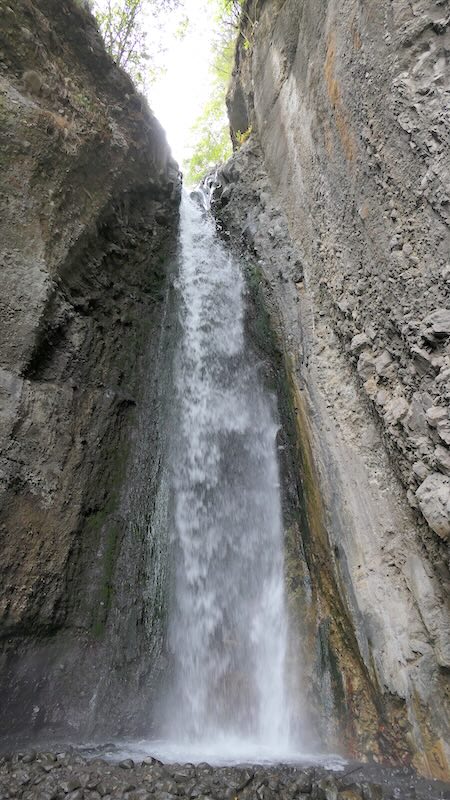
Schon viele Meter vorher konnten wir bereits das tosende Wasser wahrnehmen. Dazu meinte der Ranger „This waterfall is already part of the slopes of Mount Meru“. Eben waren wir noch am kleinen Bach entlang gewandert und nun standen wir auf einmal an den Felswänden vom Mount Meruund das Wasser ergoss sich von oben in einem ohrenbetörenden Lärm hinab.
Reading tracks in Tansania
Die beeindruckende Flora und Fauna im Arusha Nationalpark hielt immer wieder Überraschungen für uns bereit.
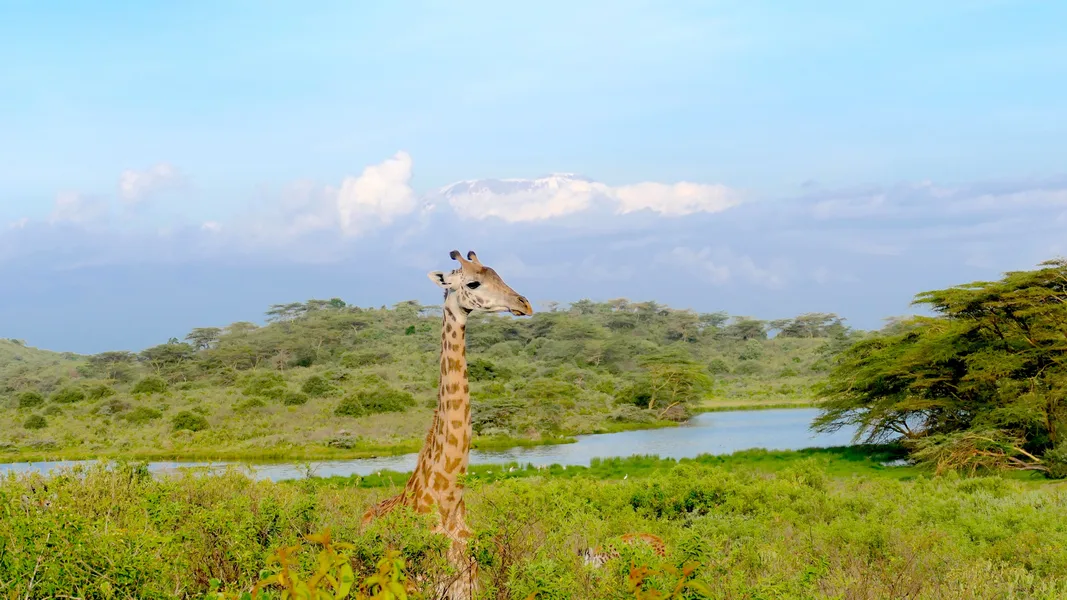
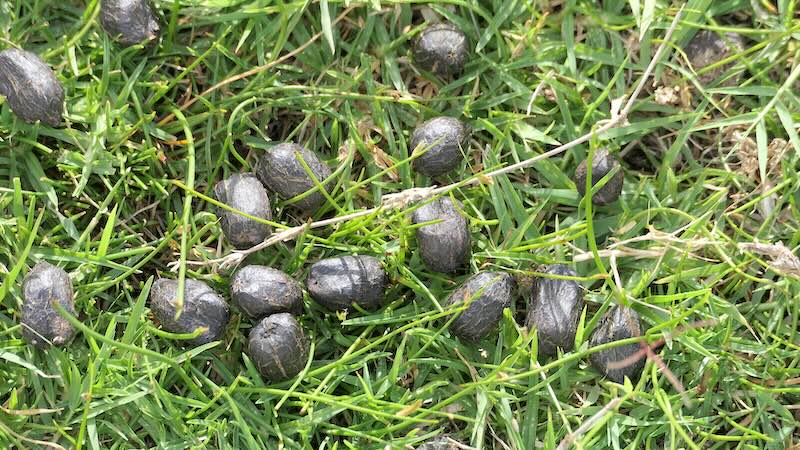
Auf dem Rückweg vom Tululusia Wasserfall zum Momella Gate wurden wir vom Ranger nun noch ein wenig ins Spuren-Lesen und im Zuordnen vom Kot eingewiesen. „I show you a few things about tracks and droppings” meinte der Ranger. Also ging unser Blick nicht mehr gerade aus, sondern nur noch vor uns, neben uns auf den Boden. Wir gingen vorbei an einem Haufen von Giraffen Droppings. „Klar Giraffen, die gibt es hier!“ Und dann sahen wir sie auch, die grasenden Giraffen.
Pflanzenkunde in Tansania
Vor ein paar Jahren waren wir mit Angie in White Pocket in den USA für einen Tag unterwegs. Und von ihr wurde uns eingetrichtert „Bloß keine Pflanzen anfassen!“ Es könnten giftige Pflanzen sein. So ist es natürlich auch hier in Afrika, aber die Einheimischen wissen auch hier so sehr viel mehr.
Wir kamen gemeinsam mit dem Ranger an einem großen Strauch mit grünen Früchten vorbei. Der Ranger pflückte nun eine Frucht ab und zeigte sie uns.
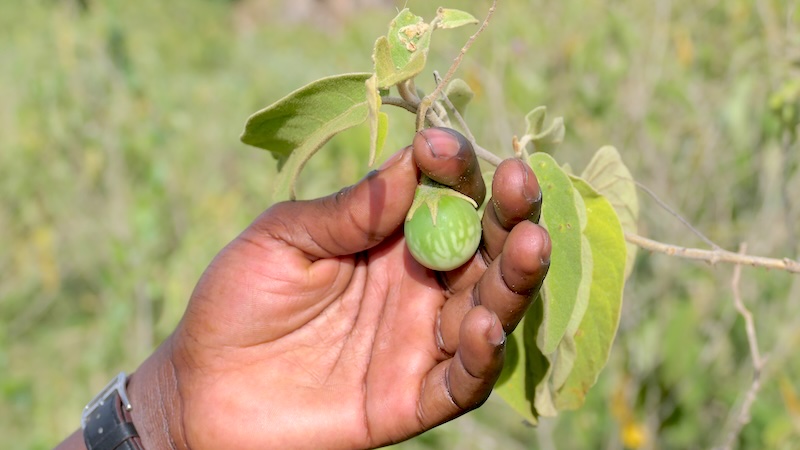
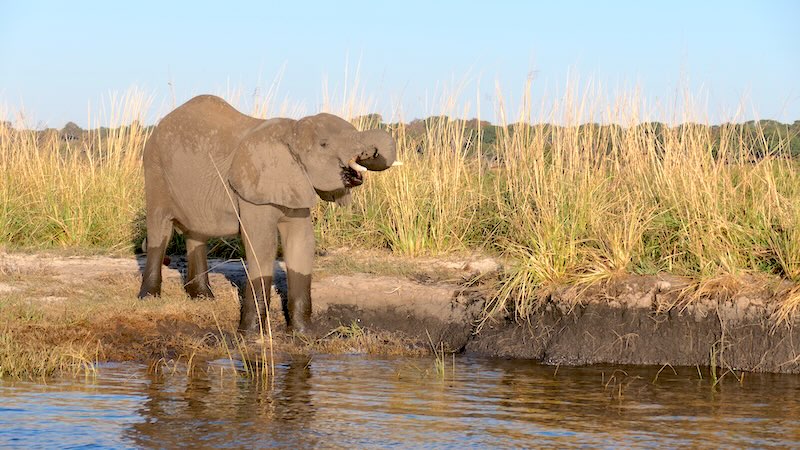
Diese Pflanze wird von den Einheimischen sehr vielfältig eingesetzt. Der Fruchtsaft hilft bei Zahnschmerzen, der Stängel dient als Zahnbürste und die Blätter werden als Toilettenpapier eingesetzt. Und sogar die Elefanten fressen die Früchte und nutzen sie als Heilpflanze.
„These fruits are eaten especially by elephants and the elephants spread the seeds throughout nature via their droppings”. Den Namen der Pflanze habe ich mir leider nicht gemerkt. Es scheint der Sodomsapfel zu sein.