Alert Bay – Whale Watching
Eine magische Whale-Watching-Tour mit Seasmoke führt uns vor Alert Bay zu majestätischen Buckelwalen und entspannten Orca-Familien. Erlebe mit uns die inspirierende Ruhe der Namgis First Nation, tauche ein in das historische Inselleben von Vancouver Island und erfahre, wie ein kranker Wildvogel unsere Rückfahrt in ein echtes Kanada-Abenteuer verwandelte.
Alert Bay – Whale Watching mit Seasmoke
Whale Watching wird sehr oft in den unterschiedlichsten Touristengegenden angeboten. Unsere Wahl war auf Seasmoke (Whale watching Vancouver Island) gefallen. Wale, Orkas und viele andere Tiere kann man hier oben in Kanada in der noch unberührten Natur beobachten. Für Seasmoke steht die Natur an oberster Stelle und so hatten wir es dann auch erlebt. Auch die Sicherheit der Touristen gehört dazu. Aber dazu später mehr.
Orca Inn
Unsere Reise hatte uns hier auf die Insel Alert Bay geführt. Wir waren frühmorgens in Vancouver gestartet. Mit der Fähre rüber nach Vancouver Island und die lange Straße hoch nach Port McNeill. Dort dann auf die nächste Fähre rüber nach Alert Bay. So richtig konnten wir die Überfahrten auf den Fähren nicht genießen, es war einfach zu kalt.
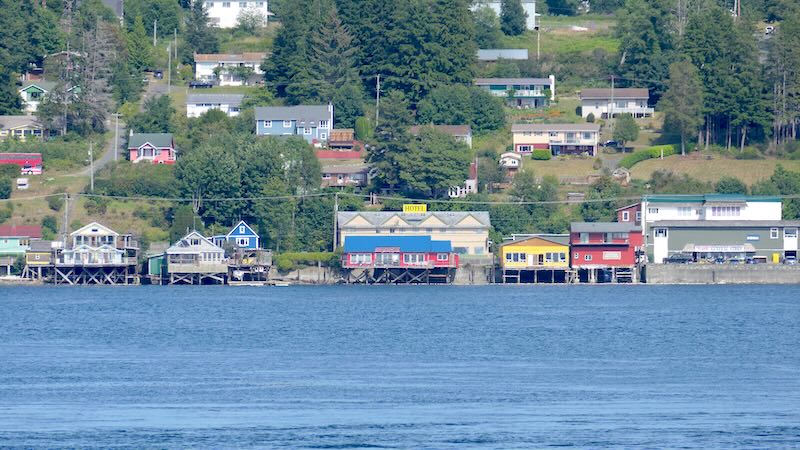
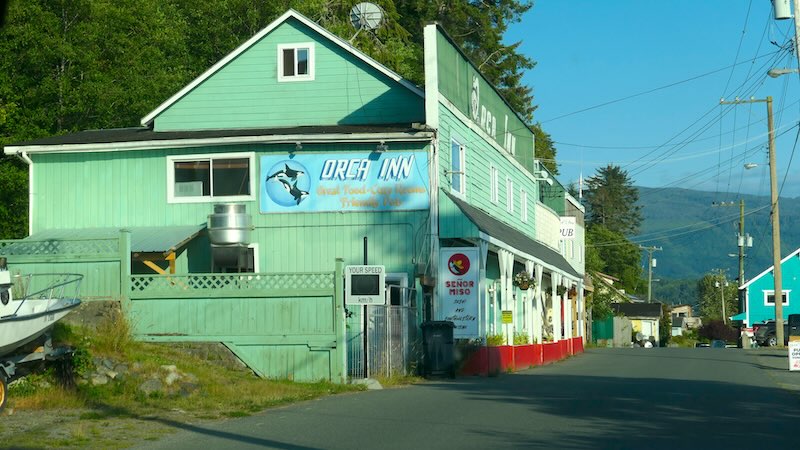
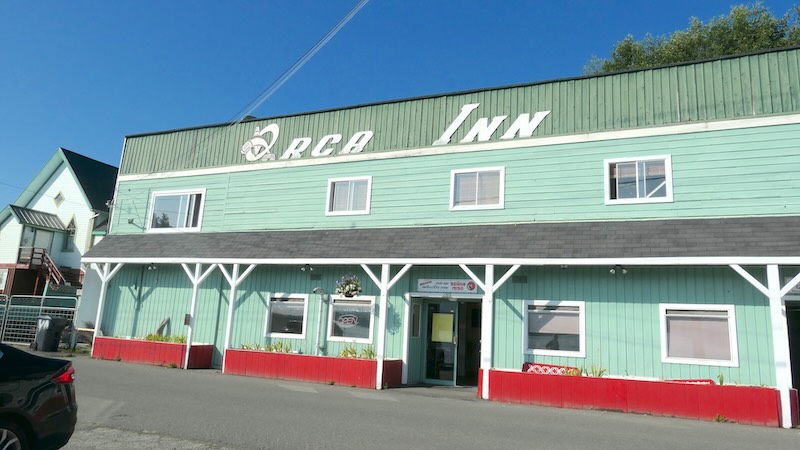
Am späten Nachmittag waren wir auf der Insel angekommen und als erstes hatten wir im Orca Inn eingecheckt. Orca Inn, dass etwas andere Hotel, es ist eine Kombi aus Beherbergung mit Bar und Gemeinschaftsräumen. Die Gemeinschaft wird hier auf der Insel sehr stark gepflegt und dazu gehören auch die Live-Abende im Orca Inn. Die Zimmer sind ursprünglich und ich würde es eher mit „historisch im Stil der 50er oder 60er Jahre“ bezeichnen. Manche würden die Zimmer gemütlich und rustikal finden, wir fanden es eher nicht.
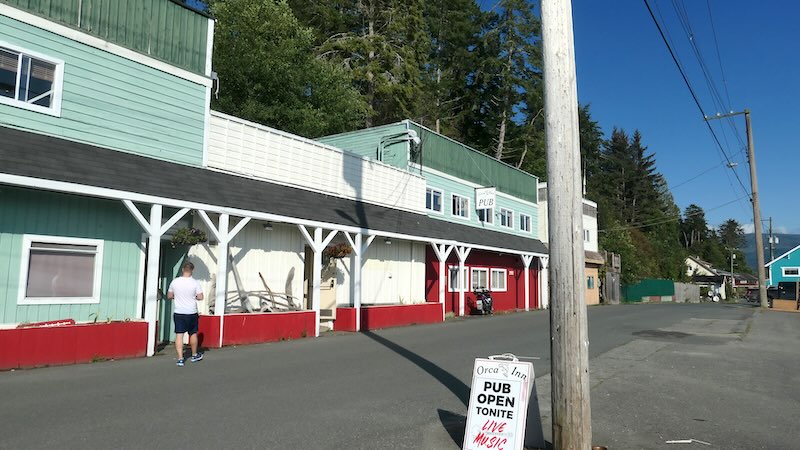
Dazu war es auch noch eine Unterkunft ohne Frühstück, wie blöd. Tja, Planung vorab ist alles und da ging nun etwas schief. Nach dem Einchecken im Orca Inn sind wir erst einmal los, die Insel erkunden und unser Frühstück für den nächsten Morgen klar machen. Leider ohne Erfolg.
Whale Watching Tour
Um 9:00 Uhr hatten wir unseren Termin mit Seasmoke und ohne Frühstück in den Tag zu starten, wäre einfach blöd gewesen. Zum Glück konnten wir Gordie’s Restaurant & Lounge früh morgens überzeugen schon für uns vor 9:00 Uhr zu öffnen.
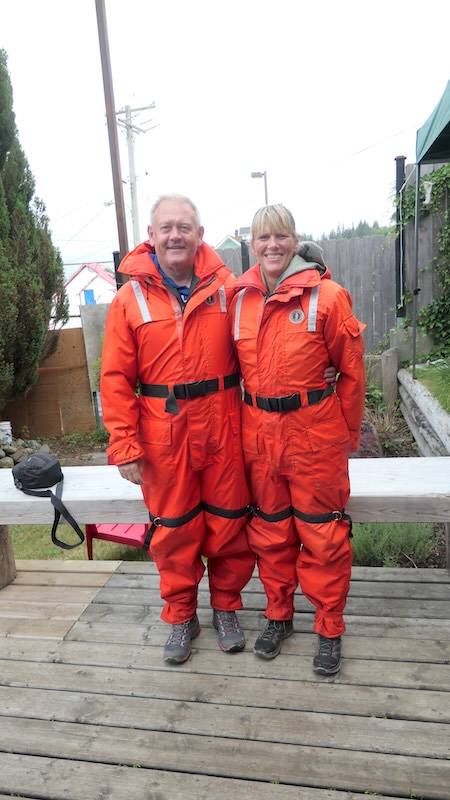
Nach dem schnellen und sehr guten Frühstück im Gordie’s Restaurant & Lounge sind wir rüber gegangen zum Gebäude von Seasmoke. Dann ging es ums Einkleiden – es gab Flotation Suits. Solch eine tolle Sache. Oft hatte ich bereits von Freunden gehört, die irgendwo anders solch eine Touri-Whale-Watching Tour gemacht hatten „Ich wurden richtig nass gespritzt. Es war total kalt. Ich war pitschnass!“ Aber hier mit Seasmoke – einfach genial mit den isolierten Schwimmanzügen.
Jetzt geht´s los
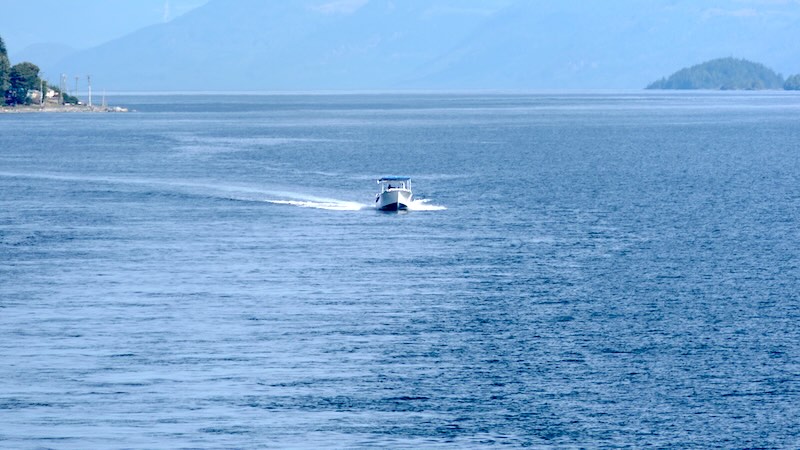
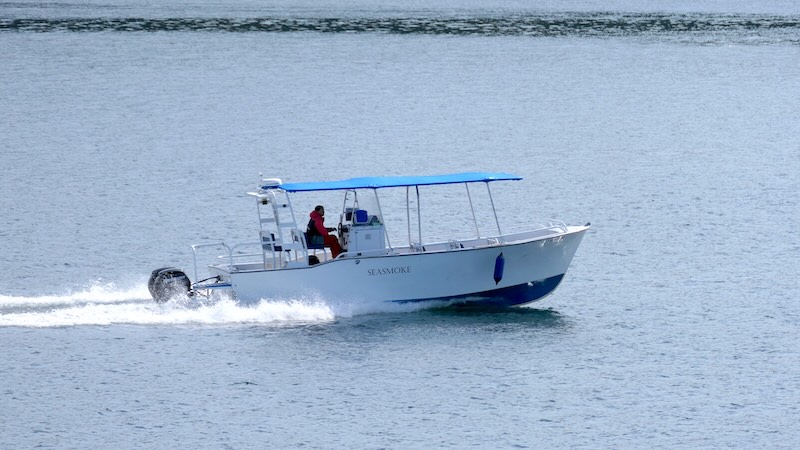
Dann ging es endlich los. Nachdem wir auch vom Festland noch ein paar Personen eingesammelt hatten ging es raus aus der Bucht. John, der das Boot steuerte erzählte uns schon während der Fahrt viel Wissenswertes über die Meeresbewohner und wobei es sich um Seasmoke handelt. „We named our company after sea smoke. Sea smoke is a weather phenomenon that occurs here around Vancouver Island. In winter, this phenomenon often creates a mystical scene“, meinte John.
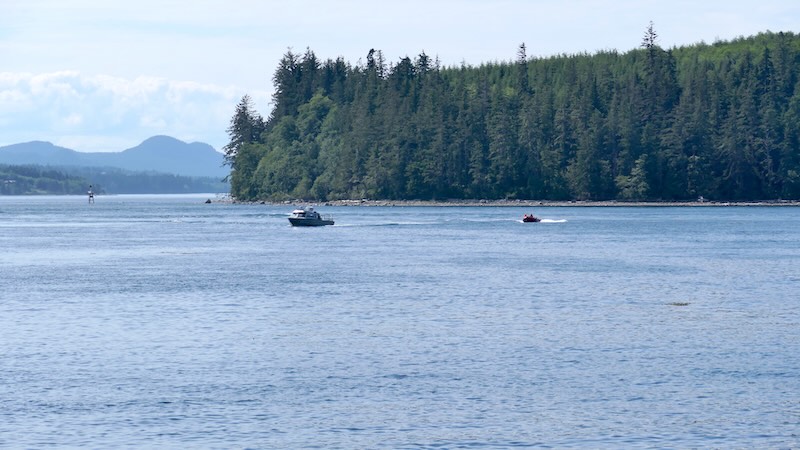
Bei der Tour stand der Respekt vor den Meeresbewohnern an oberster Stelle. „For me, respect for whales and orcas comes first!“. Wir waren nun draußen vor der Bucht nicht alleine. Es gab noch ein paar andere Boote. Jeder suchte sich sozusagen eine Parkbucht und dann wurde gewartet. Und wir sollten auch Ausschau halten nach – ja, nach den Meeresbewohnern.
Fontäne und dann ein Buckelwal
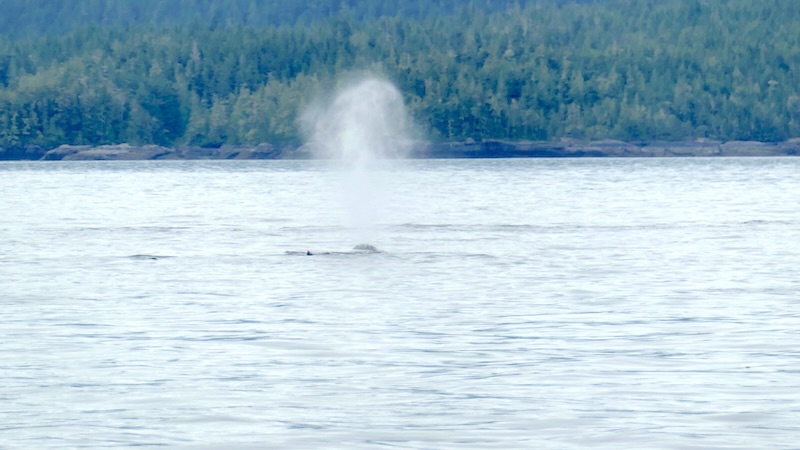
Ja, nur nach was sollten wir schauen? „Look for small fountains from the humpback whales“, so erklärte uns John. Dann sprudelte es aus mir heraus „Da, da hinten, ich sehe dort eine Fontäne“! Eh – das verstand doch keiner. Also alles auf Anfang und jetzt noch einmal auf Englisch. „There, back there, there’s a fountain“ und jetzt waren alle bei mir und der Blick ging rüber. Aber es tat sich danach nichts. „Depending on what the whale was doing, it may take a long time after the fountain for the whale to return to the surface.“
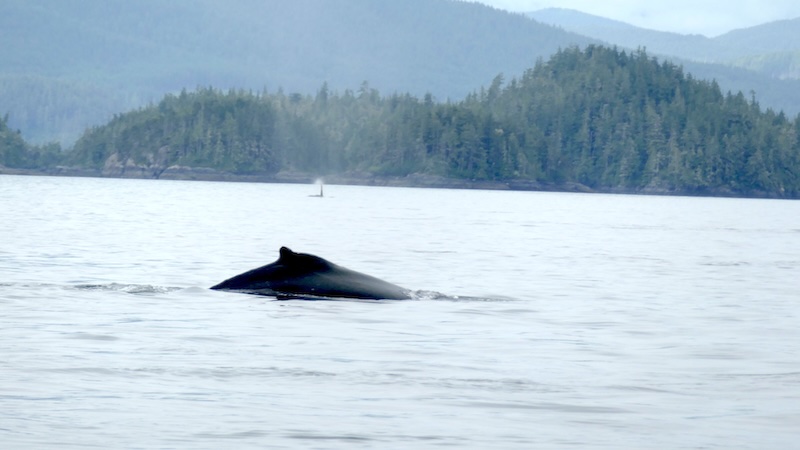
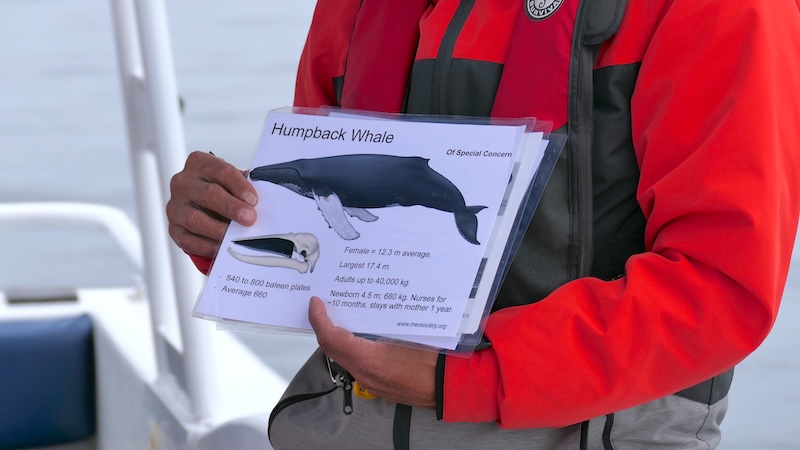
Das Wasser war hier überall sehr ruhig und so konnten wir einfach nichts übersehen. Und dann kam endlich wieder eine Fontäne. Es zeigte sich dann der Buckel, ja der Rücken vom Buckelwal und ganz zum Schluss dann doch noch die Schwanzflosse. Wie toll, aber nach der Schwanzflosse kam wieder sehr lange nichts. Denn der Buckelwal machte dann erst einmal einen Tauchgang. Das gab John die Gelegenheit uns einiges über die Buckelwale zu erzählen. Er zückte seine Zeichnungen. Die Zeichnungen waren natürlich in Folie eingeschweißt.
Buckelwale haben einen interessanten Körperbau und eine besonders lange Brustflosse. Erwachsene Buckelwale können bis zu 40 t schwer werden und ein Neugeborenes wiegt schon bei der Geburt bis zu 680 kg. Echt beachtlich. Aber schon einmal vorweg erzählt. Die Brustflossen der Buckelwale hatten wir nicht zu Gesicht bekommen. Danach zückte John ein großes Buch. „The pattern on the tail fin is like a fingerprint, and many whales have been registered in this book.“ So war es natürlich noch interessanter auf die Buckelwale zu schauen. Sanftes Auftauchen, ein wenig Kopf, dann die Fontäne. Dann ging es auch schon wieder zum Abtauchen. Kurzes Zeigen vom Rücken, kurzes Zeigen von der Schwanzflosse und zack, schon war der Buckelwal wieder weg.
Orcas bei Alert Bay
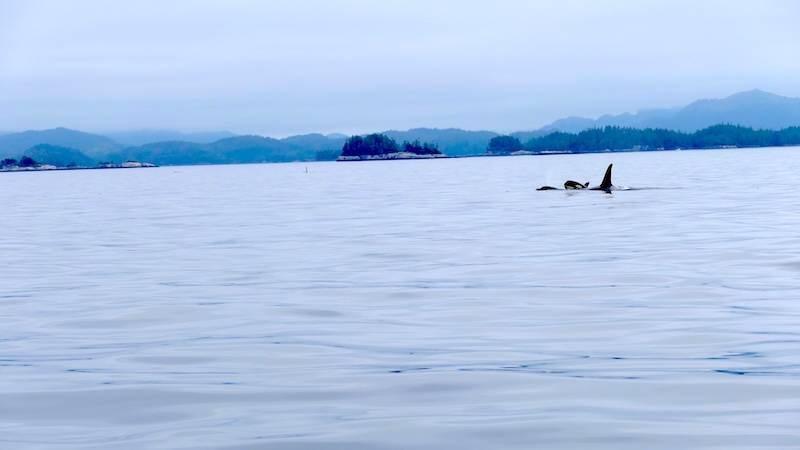
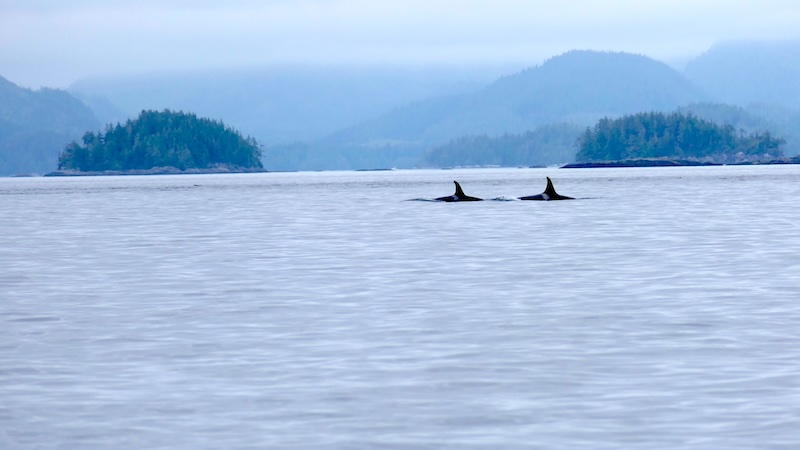
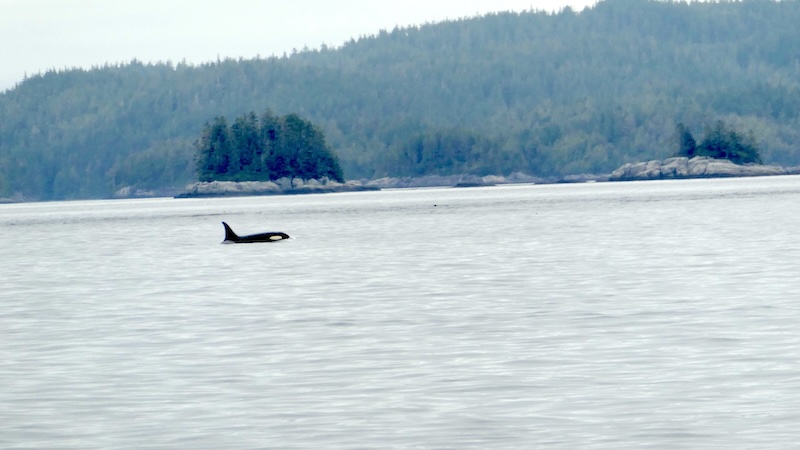
Hier in der Region gibt es „Northern Resident Orcas“. Ja, es sind nördlich ansässige Orkas. Und keine Panik. Es sind Orkas, die sich ausschließlich von Fisch ernähren. So konnten wir die Orkas in vollen Zügen genießen. Sie schwammen in guter Entfernung von unserem Boot hier in der Bucht. Das Wasser war ruhig und so waren auch die Meeresbewohner tiefenentspannt und machten keine Anstalten, uns etwas Spektakuläres zu zeigen. Sie tauchten auf und tauchten wieder unter. Wir sahen die Rückflosse, sahen schemenhaft eine kleine Fontäne und sie glitten langsam über die Wasseroberfläche. Es waren Orkas in einer Gruppe und auch eine Orka Mutter mit ihrem jungen Orka Baby war dabei. Ob auch andere Orkas, die durchziehenden Orkas, transient orcas, dabei waren? Keine Ahnung.
Mit Seaweed auf Du und Du
Für die Walbeobachtung hatte uns John in das Gebiet rund um das im Robson Bight Ecological Reserve gefahren und weiter ein Stück in die Johnstone Strait. Auf dem Rückweg ging es vorbei an einer Seehundbank und einer kleinen Felsen-Insel mit Weißkopfseeadler. Das Wasser ist dort voll mit Schlingpflanzen, den Seaweed. John war beim Durchfahren nun besonders vorsichtig. Ab und zu fuhr er in großen Bögen und versuchte so, den Schlingpflanzen zu auszuweichen. Und dann war es doch passiert. Der Motor verreckte und wir glitten noch ein wenig dahin.
„Excuse me, I need to clean the outboard motor“, so legte John los und war schon dabei den Border hochzuklappen. Dann zückte er sein Messer und fing an zu hantieren. Wir nutzten die Gelegenheit, um weitere Tiere und Pflanzen auszumachen. An den Felsen konnten wir erkennen, dass der Wasserstand hier oftmals viel höher gewesen sein muss. Es gab eine dichte Besiedelung durch Muscheln, Seepocken und auch Seesterne tummelten sich an den Felsen.
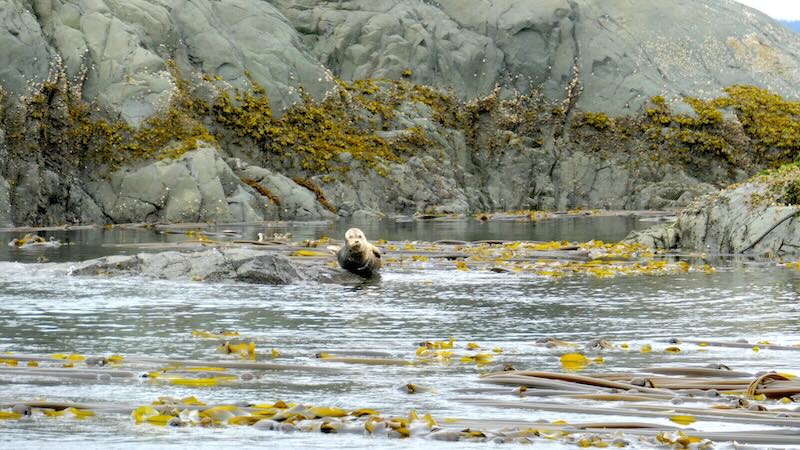
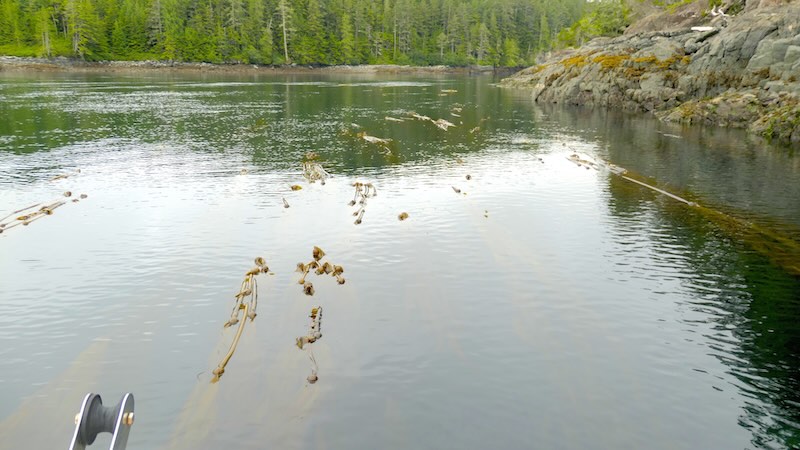
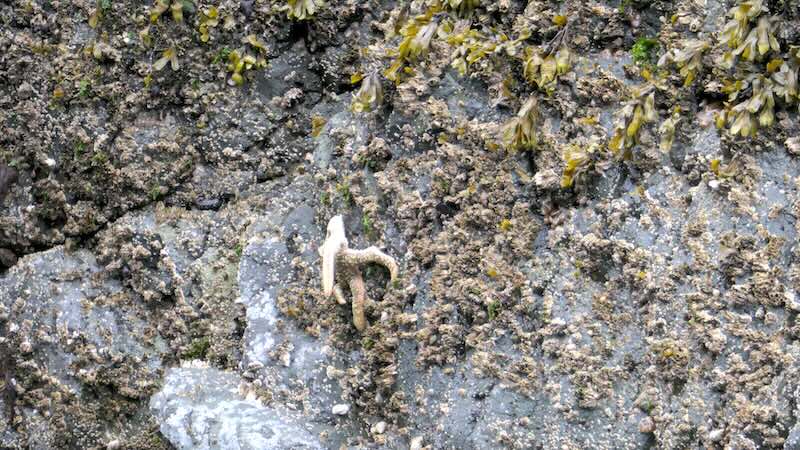
Obwohl John noch immer mit dem Border beschäftigt war entging es ihm nicht, dass wir fasziniert Fotos von dieser wunderschönen Szenerie machten. „This is called the barnacle zone and shows us the upper tidal zone every year“, so kam es ihm über die Lippen.
Nachdem er alles entfernt hatte ging es endlich weiter durch die Schlingpflanzen. Wir konnten ohne weiteren Stopp nach Alert Bay zurückkehren. Wir gaben bei Seasmoke im Büro noch schnell unsere Schwimmanzüge ab und machten uns dann auf dem Weg die Insel noch ein wenig zu erkunden.
Ganz nebenbei hatten wir noch gesehen wie John mit dem Seasmoke Boot in ein provisorisches Trockendock einbog. Die Schlingpflanzenreste mussten doch noch besser aus der Schraube entfernt werden.
„Also Feierabend ist noch nicht“, dachte ich bei mir.
Alert Bay
Alert Bay ist eine kleine Insel. Auch wenn sie nur klein ist, so ist sie doch eine sehr beeindruckende Insel.
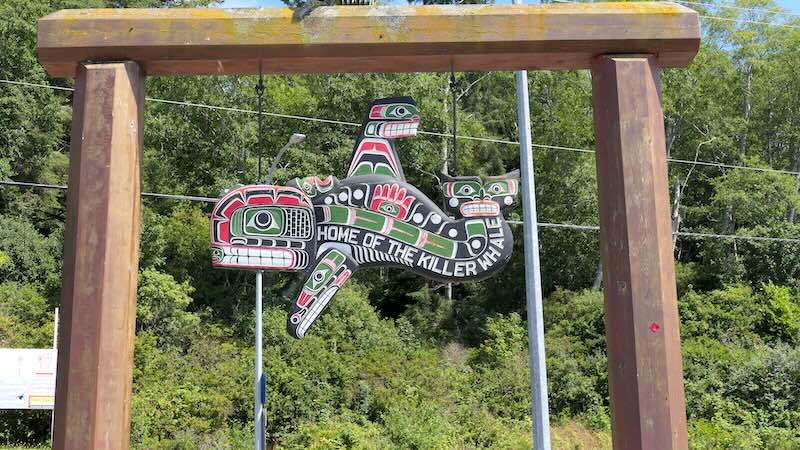
Schon bei der Ankunft war uns der große Totempfahl aufgefallen und wie wir später von einem „First Nation“ erfahren hatten, ist er der größte Totempfahl der ganzen Welt. Aber dazu später mehr.
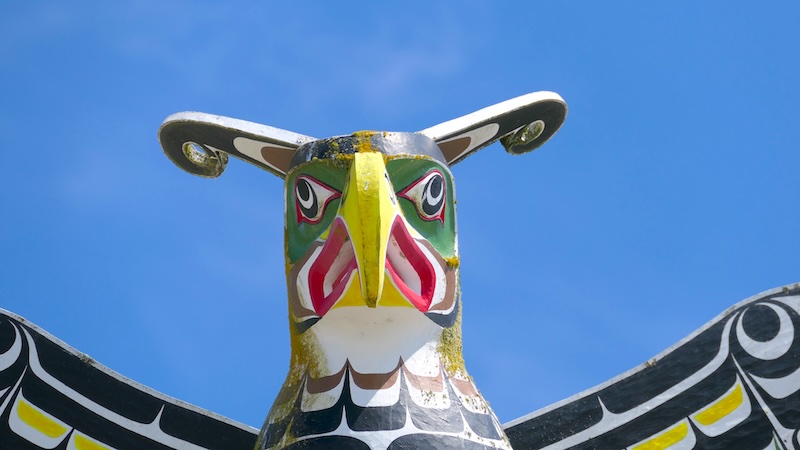
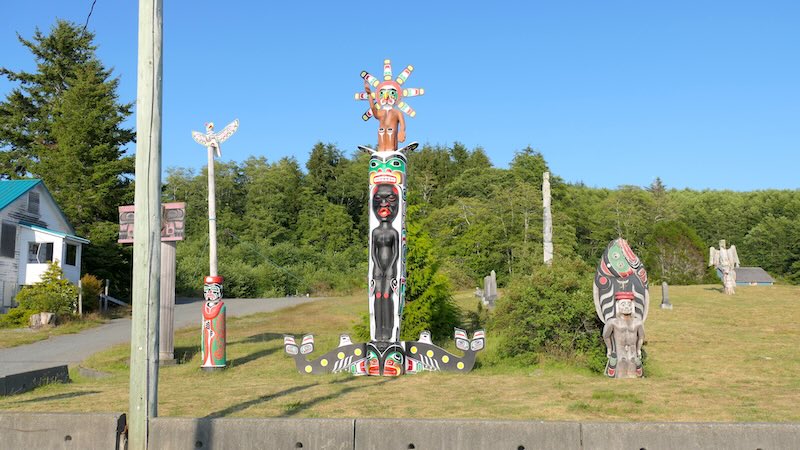
Auf der Insel gibt es neben dem Cafe, einigen kleinen Hotels, einer Bar und einem Restaurant natürlich auch eine Schule, eine Bibliothek, weitere Verwaltungsgebäude und einen Flugplatz. Der Flugplatz liegt weiter oben auf der Insel und ist nicht frei zugänglich. Ein Flugplatz macht bei dieser Weite und der sonstigen Erreichbarkeit via Fähre natürlich mehr als nur Sinn.
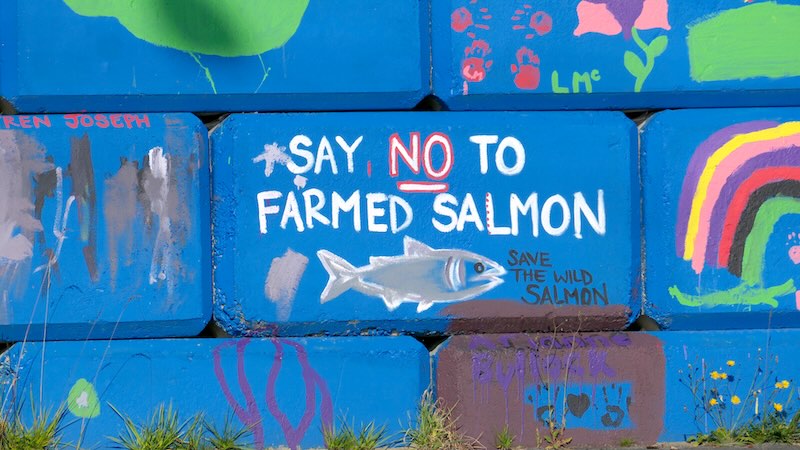
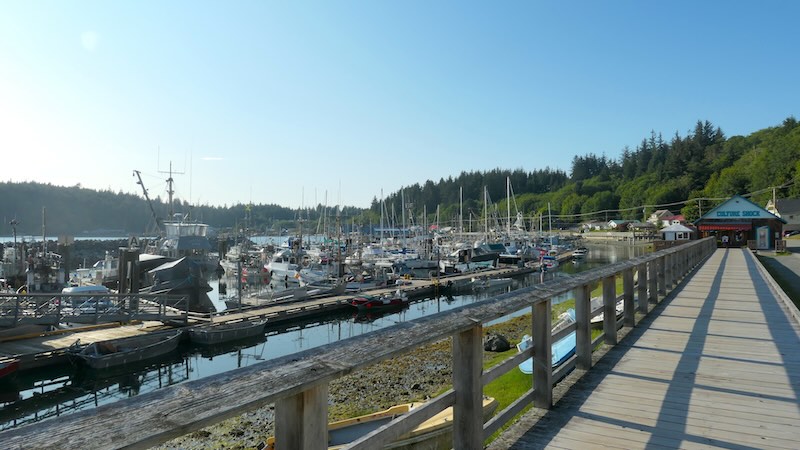
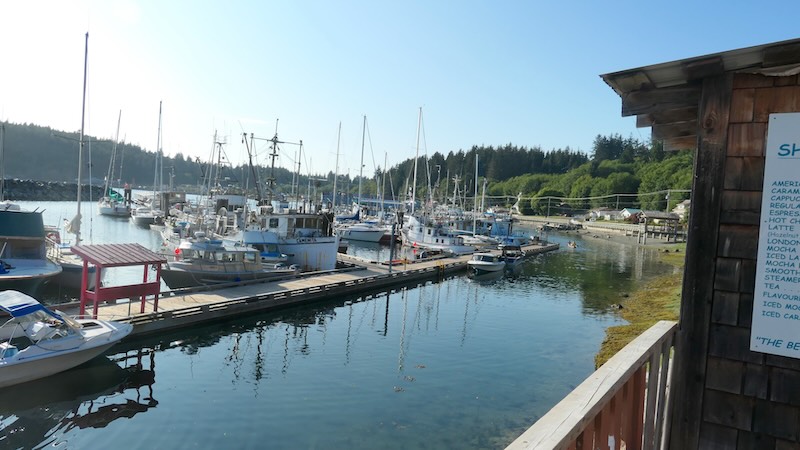
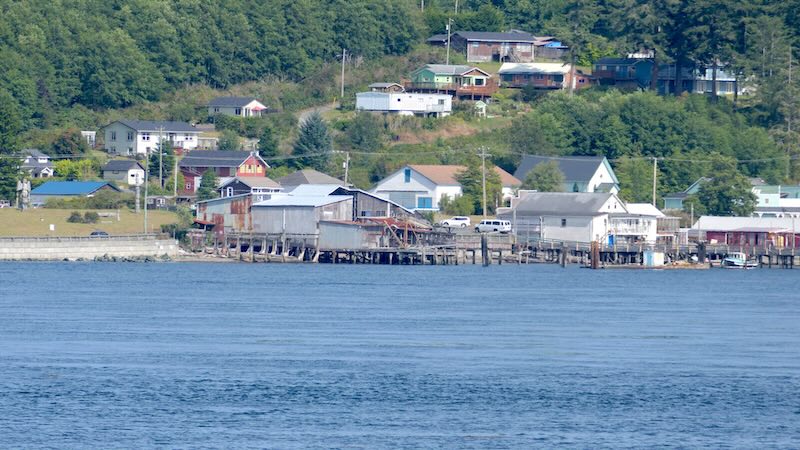
Unten am Hafen gibt es sogar einen Wasserflugplatz. Ja, man geht auch hier mit der Zeit. Der Hafen und viele Gebäude hier auf der Wasserseite hatten allerdings mal bessere Zeiten gesehen. Die Größe vom Hafen zeugt noch heute von einer historischen Verbindung zur Fischerei und gehörte auch zur damaligen Walfangindustrie. Aber das ist aus und vorbei. Heute zählt man auf Walbeobachtungen, den Tourismus und versucht, mit der Natur zu leben. Lachsfischerei ist auch heute noch eine gute Einnahmequelle und der politische Slogan „Say no to farmed salmon“ zeigt auch hier die Schwierigkeit zwischen Kommerz und Tradition.
Dann, am Nachmittag sind wir zurück zum Hafen und hatten unser Auto in der Autospur für die Fähre der BC Ferries abgestellt. Danach sind wir auf einen Kaffee und ein Stück Kuchen ins „Culture Shock Gallery“.
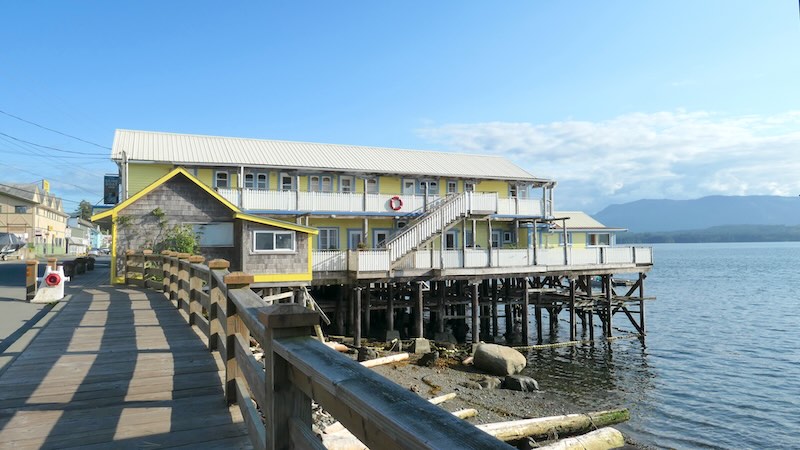
Namgis first Nation
Die Fähre sollte erst in zwei Stunden kommen. Also hatten wir noch genug Zeit für einen Besuch im „Culture Shock Gallery“ an der Straße. Ein Kunst-Laden mit Café. Auch am Nachmittag hatte die Sonne noch genug Kraft und so saßen wir draußen mit unserem Kaffee.
Im Außenbereich saß ein junger Mann, welcher in sich ruhend auch einen Kaffee genoss. Wir waren mit ihm ins Gespräch gekommen. Er war ein Einheimischer, ein Nachfahre des Indianerstamms. Er erzählte uns viel von der Mentalität der Menschen hier auf der Insel. Dieser jungen Mann, ein Nachfahre der „Namgis first Nation“, beeindruckte und sehr. Er strahlte eine wunderbare Gelassenheit aus. Eine Gelassenheit, die wir so noch nicht erlebt hatten.
Er berichtete uns von seinem Leben. Von seiner Ausbildung auf dem Festland und dann von seiner Rückkehr hier auf die Insel. Die Insel, auf der seine Wurzeln sind. Dieser junge Namgis hat es geschafft, in uns nach einem Bleiben zu rufen.
Da das nicht ging, haben wir uns vorgenommen: „Wir kommen wieder“.
Nonstop Alert Bay to Campbell River
Nach dem Kaffee im „Culture Shock Gallery“ standen wir mit unserem Wagen in der Reihe zur Fähre. Das Wetter hatte sich mittlerweile sehr gebessert und es wurde so richtig warm.
Wir warteten darauf, dass es losging. Aber das sollte noch dauern.
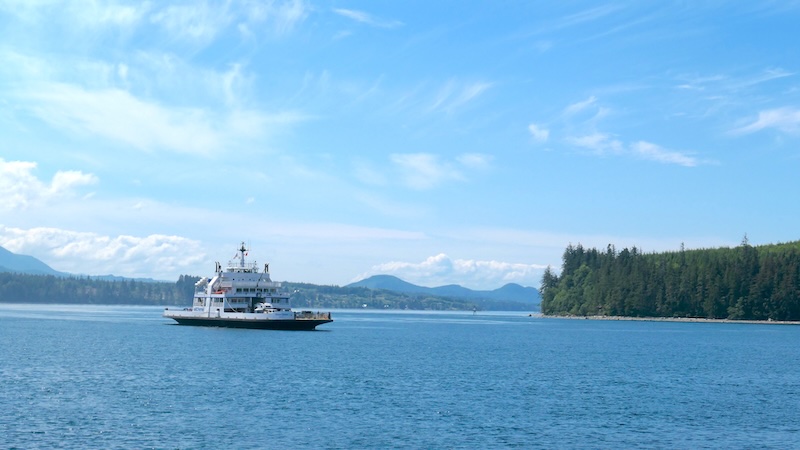
Für die Fähre wurde kurzerhand eine Rettungsübung abgehalten. Die Fähre hielt kurz vor dem Hafen an und es wurden Menschen von der Fähre auf ein Beiboot evakuiert. OK, schon interessant, aber mit der Zeit auch langweilig. Vor allem, da wir hier ja warten mussten anstatt schon wieder on the road zu sein.
Solche Rettungsübungen gehören immer wieder auf dieser Route mit dazu. Ist es doch besonders wichtig für Notfälle gewappnet zu sein. „The last rescue drill was last month, and it always takes half an hour. That’s just how it is here.“, meinte ein anderer Wartender zu uns. Okay, Sicherheit geht eben vor.
Transport of the sick bird
Dann, auf einmal wurden wir von einer jungen Frau beäugt. Es dauerte nicht lange und sie sprach uns an.
„Do you want to travel to Victoria?“ „Yes, tomorrow. Today we’re staying overnight in Courtenay.” “Is it possible, that you take an sick bird to our friends?” “Yes, it is possible.” “OK, I have a phone with my friends. In 3 hours, they will meet you at the patrol station in Campbell River.”
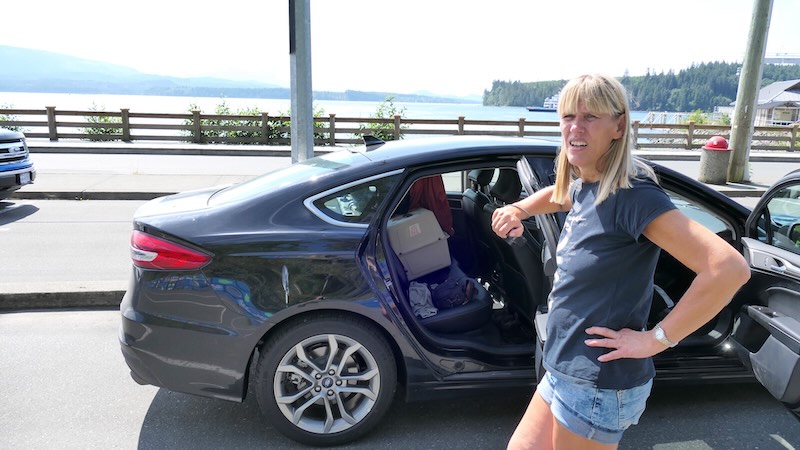
Wir bekamen also den Vogel in einem Käfig geliefert. Und setzten ihn auf den Rücksitz von unserem Auto. Auf einmal war es eine ganz andere Situation. Wir machten uns Gedanken um die Wärme und um vieles mehr. Ja, es war für den Vogel viel zu warm hier in der Warteschlange im Auto. So versuchten wir ihm über die offenen Autotüren Kühlung zu verschaffen. Die Seitenscheiben wurden abgedunkelt um so die Wärme noch mehr fern zu halten.
Dann überkam es uns. Was machen wir hier nur? Hoffentlich überlebt der Vogel es! Wird uns der Vogel wirklich an der Tankstelle abgenommen? Fragen über Fragen.
Die Fahrt geht endlich los
Nach gefühlten Stunden, es waren allerdings nur wenige Minuten, ging es endlich los. Die Fähre hatte angelegt und wir durften rauffahren. Bernd hatte das Service-Personal darum gebeten, mit unserem Auto im Schatten parken zu können wegen des kranken Vogels. Es wurde uns ermöglicht. Viel später haben wir erfahren, dass so etwas häufig vorkommt: Ein Transport eines kranken Tieres hin zum Tierarzt in Campbell River.
Während der Fahrt nach Port Mc. Neil überholte uns das Boot von Seasmoke. Es war John, wohl nun doch endlich auf dem Weg in seinen verdienten Feierabend.
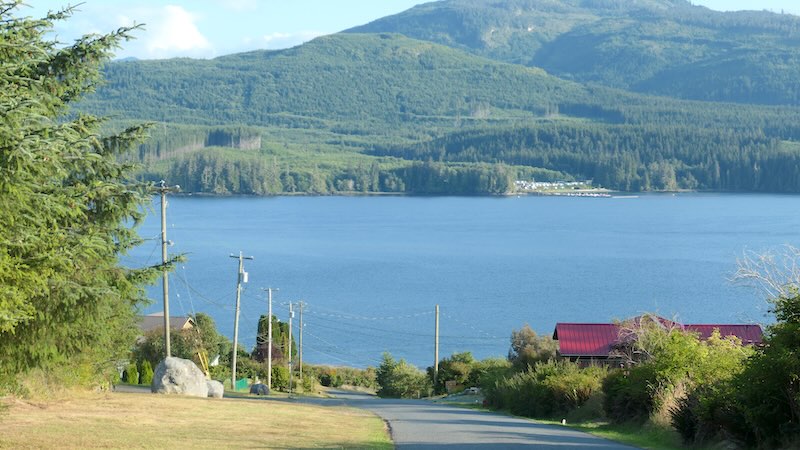
Die Fahrt mit der Fähre zum Festland und dann weiter Richtung Campbell River war unspektakulär. Bei nur 80km/h kann man diese Strecke ganz relaxt fahren. Nach knapp 3 Stunden, fast auf die 5 Minuten genau, bogen wir zur Tankstelle ein. Wir haben den Stopp auch zum Anlass genommen, hier zu Tanken. Während Bernd mit dem Tanken beschäftigt war bin ich los in die Tankstelle auf der Suche nach den Freunden für den kranken Vogel. Sie waren schon da und so, wie wir den kranken Vogel von jetzt auf gleich bekommen hatten, so ging er auch von jetzt auf gleich mit den beiden Mädels mit.
Ohne diese Story wäre es eine stinknormale Fahrt gewesen, aber so wurden die 3 Stunden zu etwas ganz Besonderem.