Cibola – Auf den Spuren wilder Pferde
Ein Ausflug in das abgelegene Cibola National Wildlife Refuge führt uns an das Ufer des Colorado River. Erlebe mit uns eine überraschende Begegnung mit einem modernen Cowboy, das nächtliche Warten am Ufer und die faszinierende Begegnung mit den scheuen, stolzen Wildtieren in der rauen Wüstenlandschaft.
Cibola – Auf den Spuren wilder Pferde
Ja, dort gibt es sie – Pferde und Esel – alle – zu hunderten. Aber wo genau?
Am frühen Nachmittag waren wir als erstes zur Ranger Station gefahren – denn – die sollten es doch wissen ….
Aber sorry, der Ranger im Dienst hatte keine Ahnung, war neu hier.
„Oh, I’m so sorry. It is my 3rd day here in the station. I think there are donkeys, but no wild horses“
Aber das kann doch nicht sein! Dann suchen wir eben auf eigene Faust nach den Pferden und eben auch den Eseln. Also zurück auf die Straße, zurück zur Brücke über den Colorado River. Bernd war gefahren und ich hatte Ausschau gehalten. Und was soll ich sagen, schon an der Straße – Pferde- oder Eseläpfel!
Auf den Spuren der Pferde- und Esel-Äpfel!
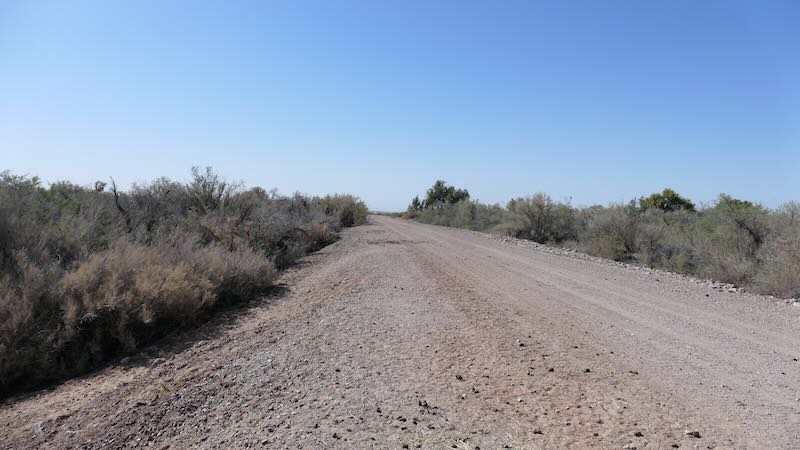
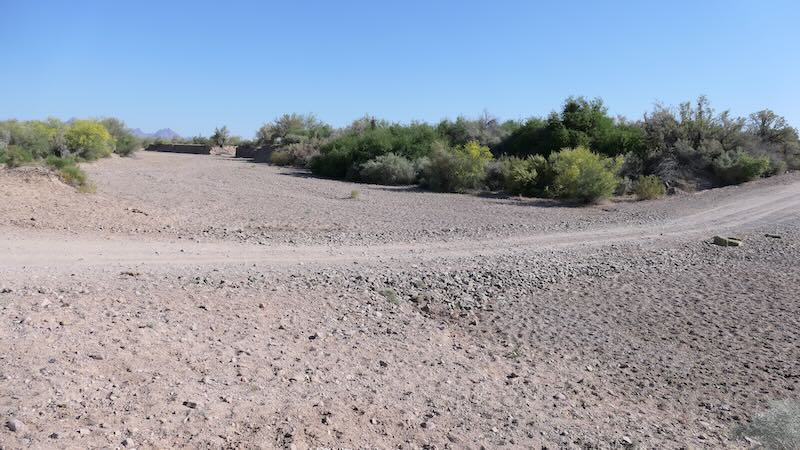
Kurz vor der Brücke sind wir rechts am Colorado River einen Sandweg entlang gefahren. Rechts nun der Colorado-River und links nur Wildnis. Schon nach kurzer Zeit war die Straße übersät mit diesen besonderen Hinterlassenschaften. Der weiche Sand war nun übersät mit Hufspuren. Auch wenn ich mich nie darüber Gedanken gemacht hatte, es waren hauptsächlich Esel-Hufspuren. Wir konnten auch Heu-Reste entdecken, d.h. die Tiere werden hier auch gefüttert.
Und wie es der Zufall wollte, kam dann der Cowboy mit seinem PickUp nebst Heuballen um die Kurve gebogen.
A Cowbow with a PickUp
„In two nights I have trapped up to 100 wild donkeys and horses in my round pen. They then came in prison“.
Also füttert er die Tiere um sie dann hoffentlich in der Nacht einfangen zu können.
Er erzählte weiter, die Tiere kommen erst spät abends, wenn der Mond aufgegangen ist. Die Pferde und Esel kommen aus den geschützten Gebieten hier runter an den Colorado River.
„During the day, the animals flee from the black horseflies and retreat to the mountains“
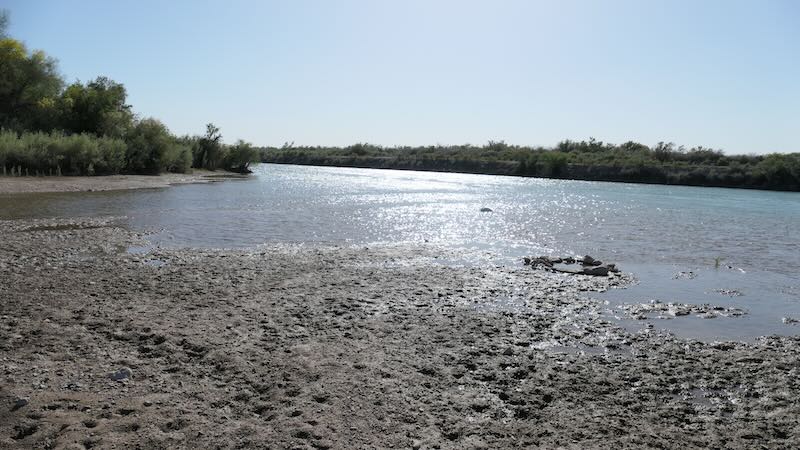
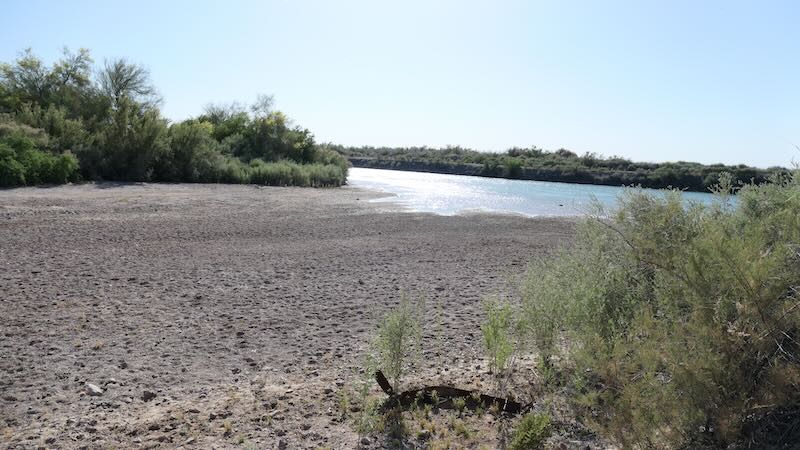
Sie flüchten also am Tage vor den schwarzen Bremsen, das kennen wir in Deutschland auch. Er hatte uns dann Fotos gezeigt mit Wildpferden, Fotos gezeigt mit vielen, vielen Eseln. Besonders beeindruckend waren die Fotos mit den Tieren hier unten an der seichten Wasserstelle am Colorado River. Er berichtete weiter, in dieser Gegend vom Wildlife Refuge bis runter nach Yuma gibt es viele hundert wilde Pferde und mehr als 5000 wilde Esel.
Dieser ältere und trotzdem moderne Cowboy bedient sich nicht nur seines PickUps sondern auch des Helikopters. Vor kurzem hatte er bei einem Rundflug mit dem Helikopter mehr als 250 Wildpferde gesichtet.
Dieses Treffen mit dem Cowboy hat das Gebiet rund um Cibola zu einem ganz besonderen Ort gemacht – auch ohne Wildpferde, das stand schon einmal fest.
Warten auf die Wildpferde – und Esel
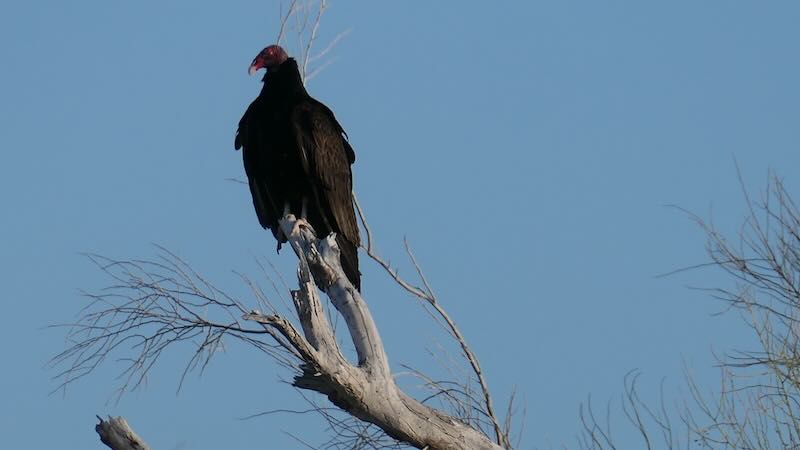
Kurz vor Sonnenuntergang waren wir nun zurück an der Wasserstelle, dem Dock Spot. Wir haben uns etwas abseits mit dem Auto hingestellt und dann haben wir gewartet, gewartet und gewartet. Aus der Ferne konnten wir Eselrufe vernehmen, aber mehr tat sich nicht. Die Sonne ging hinter dem Colorado River unter, aber bis auf viele Vögel, die sich jetzt im seichten Wasser niederließen, passierte nichts.
Wir sind dann noch ein wenig ins Wildlife Refuge hineingefahren und dann zeigte sich doch noch ein Esel. Der Esel war von unserer Anwesenheit nicht angetan. Er begrüßte uns mit einem extremen Schnauben. „Esel können Schnauben, wow!“
Ich dachte, Esel sind eher sanftmütig, aber dieses Tier war ganz schön auf Krawall gebürstet. Diese Begegnung zeugt vom rauen Leben hier in der Wildnis und das Verhalten der Tiere sichert ihnen das Überleben. Also blieben wir im Auto sitzen, genossen den Moment und schossen ein paar wenige Fotos im Scheinwerferlicht.
Wild life animals
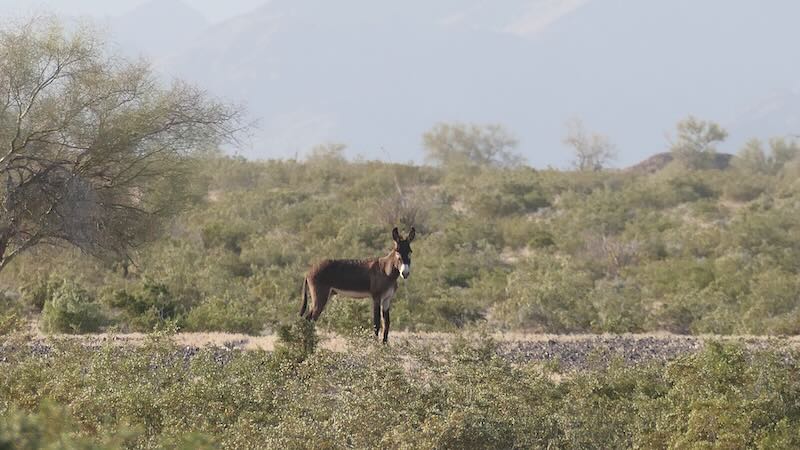
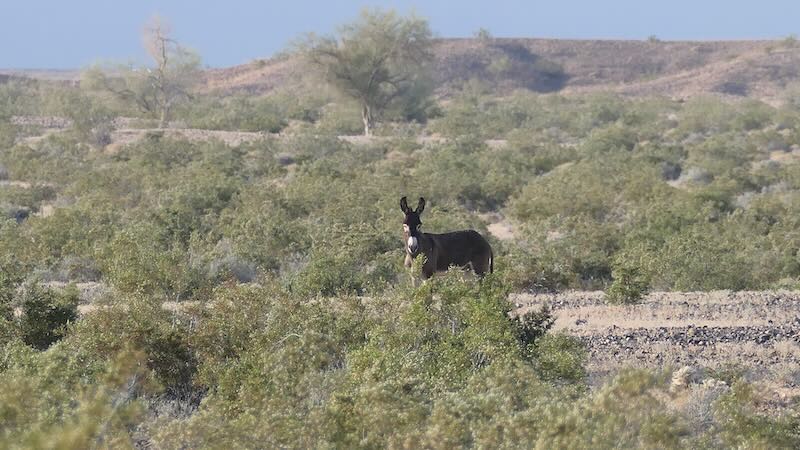
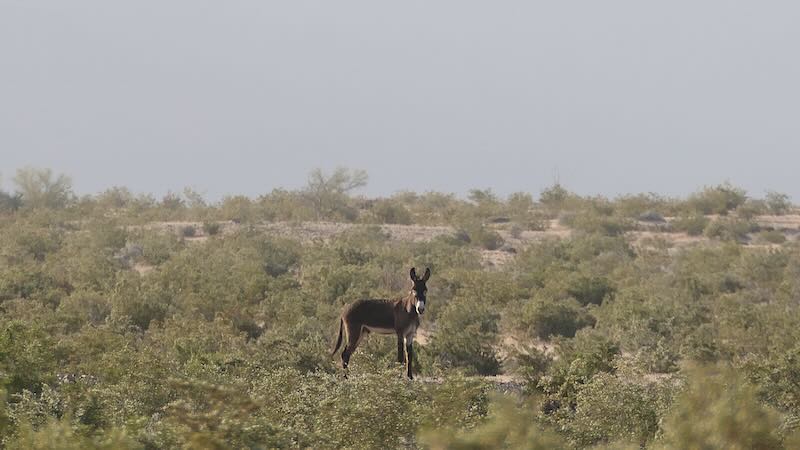
Das war also unsere Begegnung mit diesen ersten wild life animals. Oder? Wir wollten es dabei nun belassen. Aber am nächsten Morgen! Wir hatten gut geschlafen, waren früh wach, so ging es kurz nach Sonnenaufgang doch noch einmal zurück. Wir fuhren ein paar Wege im Wildlife Refuge ab. Die vielen verteilten Heuscheiben vom Cowboy waren aufgefuttert. Also waren die Tiere hier gewesen. An der Wasserstelle gab es ganz frische Eselspuren, d.h. lange war es noch nicht her. Vor kurzem noch hier und nun schon wieder zurück ins Dickicht in den höheren Lagen. Unsere Fahrt wurde belohnt, zwei junge Esel waren in der Ferne noch zu sehen. Es waren zwei Hengste. Ihr Blick fiel in unsere Richtung – sie hatten uns wahrgenommen. Aber die große Distanz schien ihnen Sicherheit genug zu sein, denn sie blieben ruhig stehen und trotteten erst nach Minuten langsam weiter.
Sie trotteten dahin, zwei Esel von den vielen Hundert wild life animals!